



The origins of art therapy: from symbolic expression to healing
PDF1. From ritual practices to the foundations of art therapy
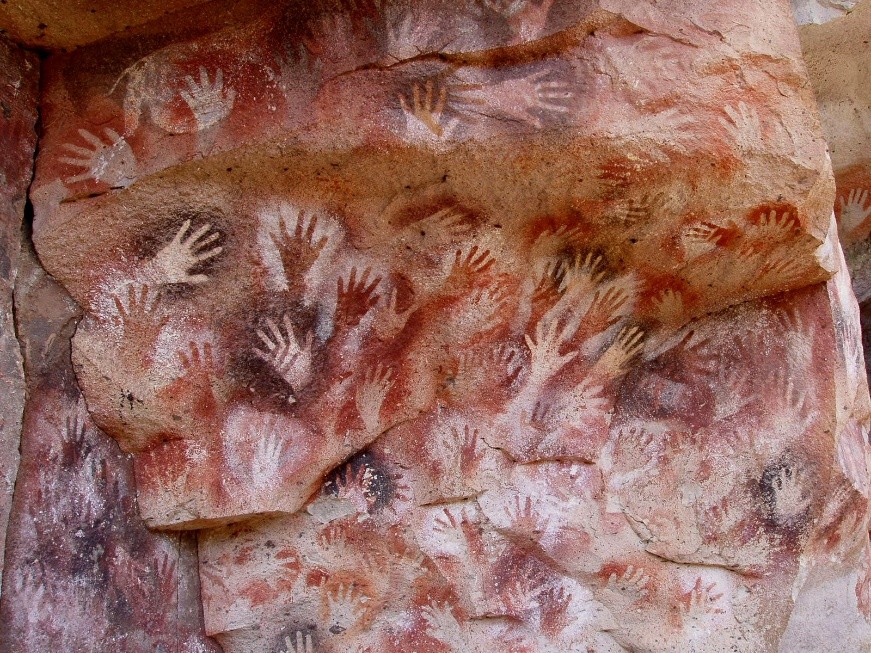
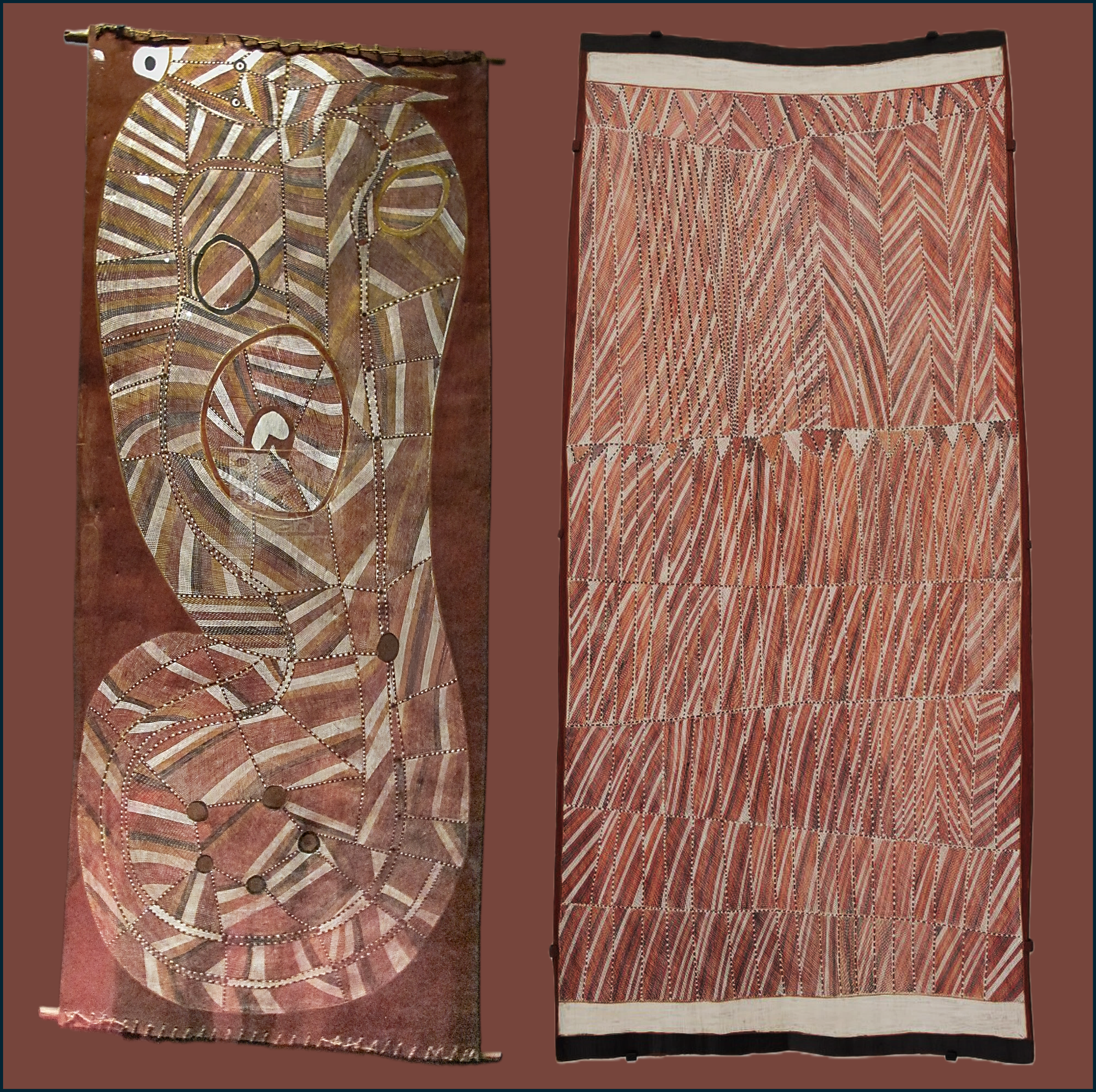
For millennia, artistic practices have accompanied the major stages of life – birth, initiation, illness, bereavement or collective crisis – by offering a symbolic space for expression, sharing and the transformation of emotions. Whilst not strictly art therapy in the modern sense, these practices bear witness to the long-standing symbolic, relational and restorative functions of creative expression, which are now recognised in art therapy.
2. The psychological foundations of art therapy: from Freud to the pioneers of the twentieth century
At the beginning of the twentieth century, Sigmund Freud’s work transformed understanding of the psyche by demonstrating that the unconscious expresses itself through dreams, symbols and creativity. He regarded artistic creation as a form of sublimation, enabling the transformation of psychological conflicts and providing a symbolic expression for deep-seated emotions. Although he did not found art therapy, he helped lay some of its theoretical foundations, notably the therapeutic role of symbolisation. Carl Gustav Jung expanded on this perspective by placing central importance on spontaneous images, archetypes and active imagination as pathways to personality integration.
3. Naumburg, Hill, Adamson and Kramer: the pioneers of art therapy
Drawing on these two influential schools of thought, Margaret Naumburg [3] developed, in the 1940s, a conception of art therapy as a form of dynamic psychotherapy. For her, artistic creations constituted a genuine language of the unconscious, sometimes more direct and authentic than speech. Spontaneous drawing, free associations around images and the exploration of their symbolic content became therapeutic tools enabling access to psychological conflicts and facilitating their resolution.
At the same time, an approach more centred on the creative process was developing. In 1942, the British painter Adrian Hill [4] introduced the term ‘art therapy’ after observing the beneficial effects of drawing while he was hospitalised for tuberculosis. Convinced that the act of creating possesses intrinsic therapeutic value, he encouraged its use among other patients. This insight was taken further by Edward Adamson, who established some of the first free-expression workshops in British psychiatric hospitals. Rejecting imposed interpretations, he favoured free expression that respected each person’s symbolic world. Finally, Edith Kramer [5] emphasised the therapeutic potential of the creative process itself: in her view, it is above all the experience of creating – rather than the analysis of the resulting works – that promotes emotional regulation, strengthening of the ego and adaptive capacities.
Together, Freud, Jung, Naumburg, Hill, Adamson and Kramer laid the conceptual and clinical foundations of modern art therapy. Their approaches, which are complementary rather than contradictory, have gradually established artistic creation as a recognised therapeutic medium, situated at the crossroads of the arts, psychology and healthcare [6].
4. From creative expression to recognised therapy: the institutionalisation of artistic practices
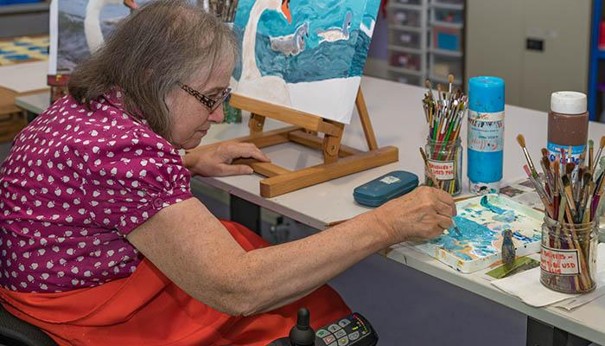
From the 1960s onwards, art therapy gradually became established as a professional discipline. The establishment of the British Association of Art Therapists (BAAT) in 1964 in the United Kingdom, followed by the American Art Therapy Association (AATA) in 1969 in the United States, marked an important step towards its recognition. These institutions promoted the development of specialised training programmes, the formulation of ethical frameworks, the formalisation of clinical practices and the introduction of assessment tools (Figure 4).
Over the following decades, art therapy and artistic interventions expanded their scope beyond psychiatry to include child and adolescent psychiatry, rehabilitation, special education, gerontology, support for people with chronic illnesses, and oncology.
Emerging at the intersection of art, psychology and care, art therapy and artistic interventions share a fundamental principle: artistic creation provides a space for symbolisation, emotional expression and personal transformation. Now enriched by neuroscience, community-based, transcultural and environmental approaches, the field remains true to its founding insight: art as a vehicle for connection, resilience and health.
5. Messages to remember
- Throughout history, artistic creation has evolved from a symbolic and collective practice into a recognised therapeutic medium, at the intersection of art, psychology and healthcare.
- Since the earliest human societies, artistic creation has served to express emotions, make sense of suffering and strengthen social bonds.
- Ancient ritual practices do not constitute art therapy in the modern sense, but they bear witness to the long-standing symbolic, relational and restorative functions of art.
- In certain Indigenous cultures, art remains closely associated with the transmission of knowledge, collective identity and the care of the land.
- Modern art therapy developed during the twentieth century by integrating the symbolic and expressive functions of artistic creation into a increasingly structured and professionalised clinical framework.
- Freud and Jung contributed to the theoretical foundations of art therapy by emphasising the role of images, symbols and creative expression in psychological life.
- During the twentieth century, two complementary concepts emerged: the artwork as a language for exploring psychological conflicts, and the creative act as a therapeutic experience in its own right.
- Naumburg, Hill, Adamson and Kramer translated these concepts into clinical practices, making the creative process a mediator between the individual and the therapist.
- From the 1960s onwards, art therapy developed into a professional discipline, with training programmes, ethical guidelines and specific frameworks for intervention.
- Initially developed mainly within psychiatry, art therapy subsequently expanded into numerous fields: childhood, disability, rehabilitation, ageing, chronic illness and oncology
Notes & references
Thumbnail: Aboriginal rock art on the banks of the Barnett River, at Mount Elizabeth Station, Australia. [Photo source © Graeme Churchard, CC BY 2.0]
[1] Dissanayake E. What Is Art For? University of Washington Press, 1988
[2] https://en.wikipedia.org/wiki/John_Mawurndjul
[3] Margaret Naumburg (1950). Schizophrenic Art: Its Meaning in Psychotherapy. New York: Grune & Stratton
[4] Adrian Hill (1945). Art Versus Illness. London: George Allen & Unwin.
[5] Edith Kramer (1971). Art as Therapy with Children. New York: Schocken Books.
[6] Springer Nature. (n.d.). Arts therapies in psychiatric rehabilitation. https://link.springer.com/chapter/10.1007/978-3-030-76208-7_1