


Art therapy: artistic practices at the heart of planetary health
PDF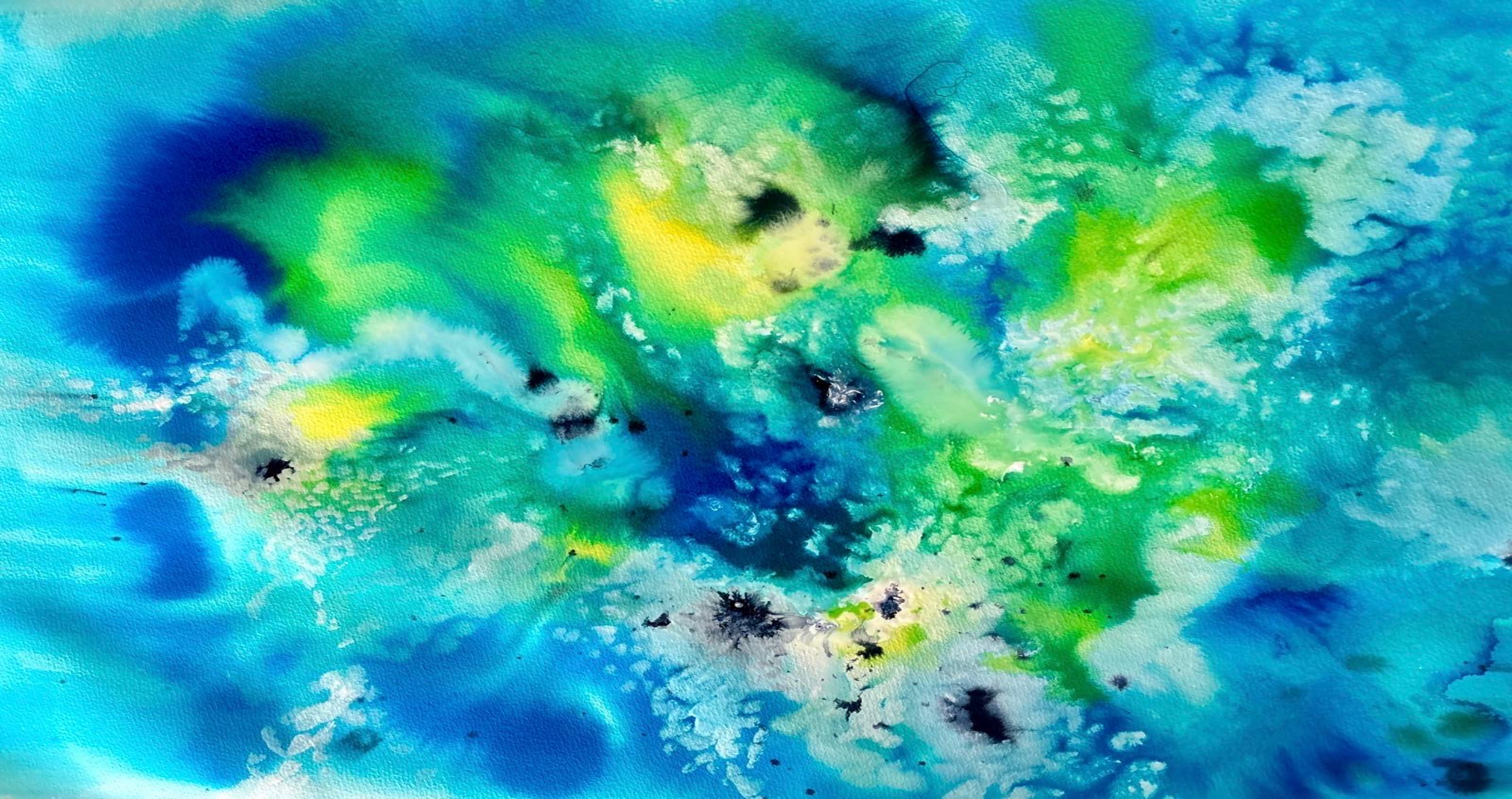
Art therapy is playing an increasingly significant role in healthcare pathways, alongside growing recognition of the contribution of artistic interventions to health and care. A growing body of research suggests that such interventions can contribute to various aspects of mental, physical and social health, with effects varying according to the practices employed, the populations involved and the methodological quality of the research. Rooted in hospital-based workshops developed in the twentieth century, art therapy has gradually been enriched by contributions from psychology, neuroscience, community-based approaches and, more recently, environmental health concerns. Art-based interventions can, in particular, promote emotional expression, stress regulation and the strengthening of social bonds. Some approaches combining creativity and nature may also help to alleviate eco-anxiety and strengthen a sense of connection with the living world – an emerging field. This article traces the evolution of art therapy and reviews its main scientific foundations. It then broadens the discussion to artistic practices in healthcare and examines their potential contribution to ‘One Health’ and planetary health approaches.
- 1. Art therapy: from its origins to contemporary practice
- 2. Art therapy in the light of scientific evidence
- 3. Alternative approaches to care: when art enters the clinical setting
- 4. From medical prescription to social prescription: the therapeutic power of connection, the arts and the community
- 5. Creating together for a better life: Artistic practices at the heart of communities
- 6. Artistic practices: a potential contribution to the ‘One Health’ approach
- 7. Artistic practices and planetary health
- 8. Messages to remember
1. Art therapy: from its origins to contemporary practice
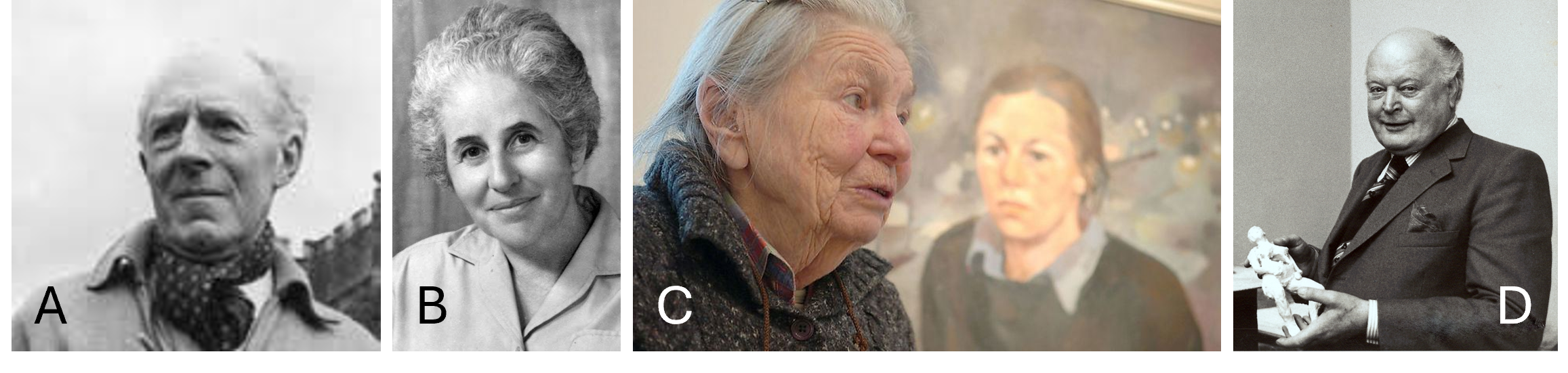
Modern art therapy emerged in the mid-twentieth century against a backdrop of mass psychological trauma and evolving psychiatric practices. Adrian Hill [1] (Figure 1A) introduced the term ‘art therapy’ in 1942, asserting that the creative process possesses therapeutic value in itself. Margaret Naumburg [2] (Figure 1B) developed a psychodynamic approach in which the image becomes a symbolic language. Edith Kramer [3] (Figure 1C) emphasised the emotional transformation brought about by the creative act. At the same time, Edward Adamson (Figure 1D) established some of the first art workshops in hospital settings, based on free creative expression rather than interpretation. This approach emphasises dignity, autonomy and personal expression, breaking with models focused solely on symptoms [4].
2. Art therapy in the light of scientific evidence
For a long time, the value of artistic practices in human health was understood primarily in subjective terms: pleasure, emotion, a sense of well-being or a personal experience of transformation. These dimensions are essential, as art acts precisely on a person’s lived experience, their identity, their relationship with others and their ability to make sense of events. However, reducing artistic interventions to a mere ‘felt’ effect would be simplistic. Research conducted over recent decades shows that their effects can also be observed, measured and documented using clinical, psychological, biological and social indicators.
2.1 A multidimensional impact: key findings on art therapy and health
International evidence now suggests that art-based interventions are more than cultural or recreational activities: they may complement care and influence several determinants of health [6]. A body of research suggests that art-based interventions may be associated with measurable effects across several dimensions of health:
- Mental health (reduction in anxiety and depression, improved emotional regulation);
- Physical health (reduction in perceived pain and physiological stress, improved motor skills);
- Social health (strengthening of social bonds, reduced isolation, inclusion);
- Overall well-being (sense of ‘purpose’, self-esteem, quality of life);
- Economic outcomes, including fewer avoidable consultations and hospital admissions and, in some programmes, a positive return on investment [7] ;
- Environmental well-being (reducing eco-anxiety, strengthening connection with the natural world).
2.2 A paradigm shift: from artistic intuition to scientific evidence
The WHO report published in 2019 [6] marked a decisive step in the recognition of the arts and culture as determinants of health. This extensive scoping review brings together the findings of over 900 publications, including nearly 200 journal articles covering more than 3,000 studies. Although the studies included vary greatly in terms of their methods, populations studied and the interventions evaluated, this report, because of its scope, brought institutional visibility to a field of research that was previously highly fragmented. It showed that artistic practices may contribute throughout the life course to disease prevention and health promotion, as well as to treatment and rehabilitation.
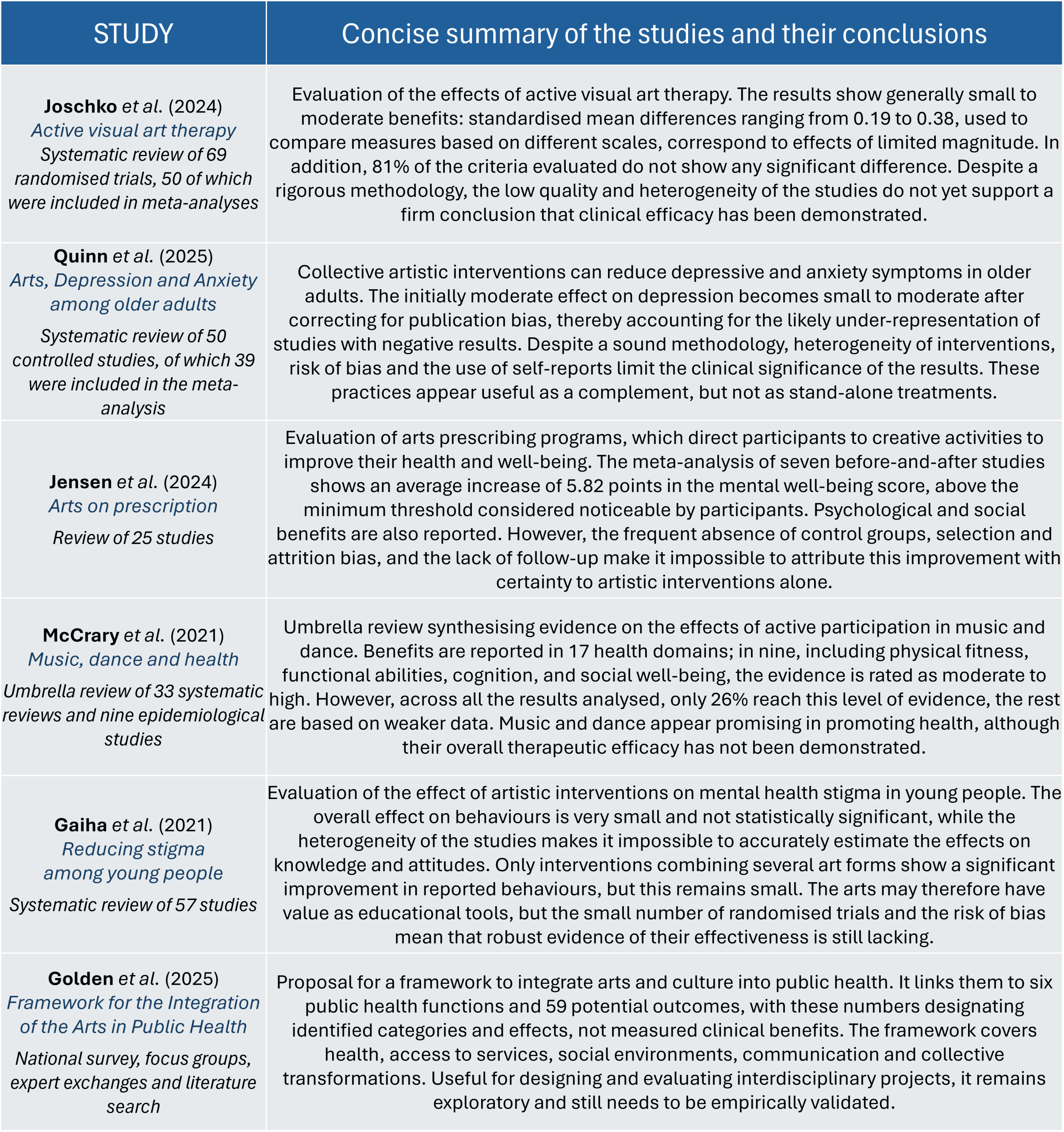
Evidence for the benefits of artistic practices is no longer limited to clinical observations or anecdotal reports. The qualitative review by Daykin et al. [8], covering 40 studies, identifies one set of mechanisms at work: participatory artistic practices can strengthen relationships of trust, mutual support and openness towards other groups. The systematic reviews and meta-analyses presented in Table 1 report positive effects, particularly on mental health, quality of life, ageing and stigma. The magnitude and certainty of these effects vary, highlighting the need for more standardised studies.
Table 1. Summary of scientific studies on the effects of arts-based interventions. References cited in the table: Joschko et al. (2024) [9]; Quinn et al. (2025) [10]; Jensen et al. (2024) [7]; McCrary et al. (2021) [11]; Gaiha et al. (2021) [12]; Golden et al. (2025) [13].
Limitations and future research directions
The field now needs large-scale, multicentre studies based on more standardised protocols and long-term follow-up. The main difficulties stem from small sample sizes, as well as the heterogeneity of populations studied, artistic disciplines, duration of interventions and outcome measures. The frequent absence of active comparators also makes it difficult to distinguish between the specific effects of the artistic process and those linked to the attention received, the therapeutic relationship or social participation (see Focus: ‘Scientific evidence on artistic interventions: a synthesis’).
Artistic interventions may engage several complementary mechanisms. They can promote regulation of the autonomic nervous system and physiological calm, while reducing the stress response, notably by lowering cortisol levels. Certain artistic practices, particularly music, also activate the brain’s reward system. Neuroimaging studies have shown that music can induce dopamine release in the striatum [14], particularly in the nucleus accumbens, which may enhance feelings of pleasure, motivation and engagement in creative activity [15]. Finally, artistic interventions open up channels of sensory, symbolic and non-verbal expression, which are particularly useful for people affected by trauma or when lived experiences remain difficult to put into words.
Early experiences, particularly when traumatic, can have a lasting influence on the neural circuits involved in emotions, memory and bodily sensations. When they occur before language has fully developed, they are thought to be encoded more in sensory, emotional and implicit forms than as autobiographical memories that can be recounted.
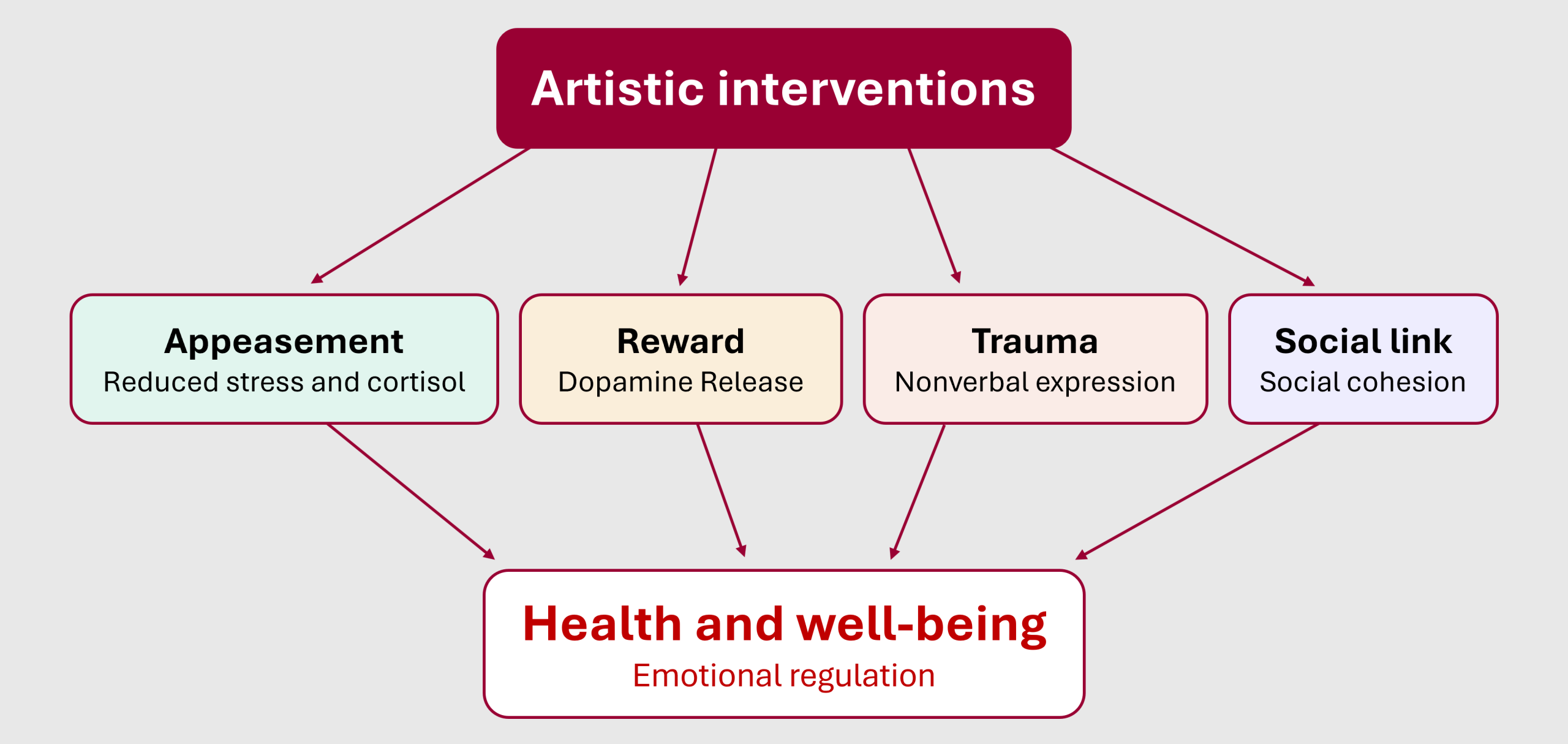
Psychologically, creative expression allows for the symbolic externalisation of emotions, facilitating their transformation and integration. Group activities strengthen social cohesion, reducing isolation and fostering a sense of belonging. Finally, nature-based artistic approaches may help reduce eco-anxiety and improve overall well-being.
3. Alternative approaches to care: when art enters the clinical setting
3.1 Art therapy and artistic practices in healthcare: complementary approaches
The health benefits of the arts should not lead to confusion between art therapy – which is a clinical discipline – and the wider range of artistic practices in healthcare. Whilst these approaches share the use of artistic creation as a mediating tool, they differ in their objectives, methods of intervention, the level of training required of practitioners, and the target audiences.
3.2 Art therapy: a specialised clinical intervention
Art therapy, in the strict sense (stricto sensu), is a form of care delivered by a specifically trained art therapist. It forms part of an individualised or group therapeutic programme, is based on a clinical indication and pursues clearly defined health objectives: emotional regulation, improvement of cognitive or relational functions, and support for chronic illnesses, mental health conditions or situations of disability. Here, the creative process acts as a therapeutic mediator integrated into a clinical approach, with an assessment of the objectives and effects of the intervention.
3.3 Artistic practices in healthcare: promoting well-being and supporting care pathways
Alongside art therapy, numerous artistic interventions in healthcare (arts in health) are developing, which do not necessarily fall within the scope of psychotherapy. They are led by artists, cultural mediators or healthcare professionals, often in collaboration with art therapists. Their aim is to promote well-being, reduce stress, improve the experience of care, support coping skills or enhance quality of life. They are now used in many fields: psychiatry, oncology, paediatrics, geriatrics, chronic conditions, palliative care and rehabilitation:
- In psychiatry, they help regulate emotions, reduce agitation and improve mental well-being.
- In oncology, they help to reduce pre-operative anxiety, alleviate psychological distress and support patients as they cope with their illness.
- In paediatrics, artistic activities promote socio-emotional development, strengthen attention and stimulate creativity.
- In gerontology, they help to maintain cognitive function, preserve independence and support cognitive health.
For people living with chronic conditions, artistic interventions may support pain management, improve quality of life and encourage adherence to treatment. Finally, in situations of trauma or in the aftermath of a disaster, they may support physiological and emotional stabilisation, encourage the expression of emotions and support the restoration of meaning and social connections (see https://www.encyclopedie-environnement.org/sante/stress-aigu-stress-chronique-methodes-gestion-stress/#52_Non-pharmacological_care.)
3.4 Community-based artistic practices: a driver of public health
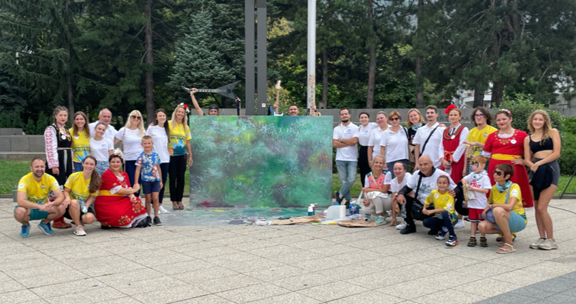
A third level comprises community-based artistic practices, which form part of an approach aimed at promoting health, social cohesion and local development (Figure 3). Choirs, participatory theatre, dance, creative workshops, museums, artistic gardens and collective creative projects foster social bonds, a sense of belonging, inclusion and civic participation. they are now at the heart of social prescribing initiatives and One Health approaches, where the arts are harnessed as resources to improve the health of individuals and communities and, in some projects, their relationship with the natural world (see below).
Health does not depend solely on access to medical care and treatment. Many conditions or situations of vulnerability also stem from social, cultural, economic and environmental determinants: isolation, insecure living conditions, loss of social connections, limited access to culture or a disconnect from the natural environment. These factors profoundly influence physical and mental health but cannot be addressed by a biomedical approach alone.
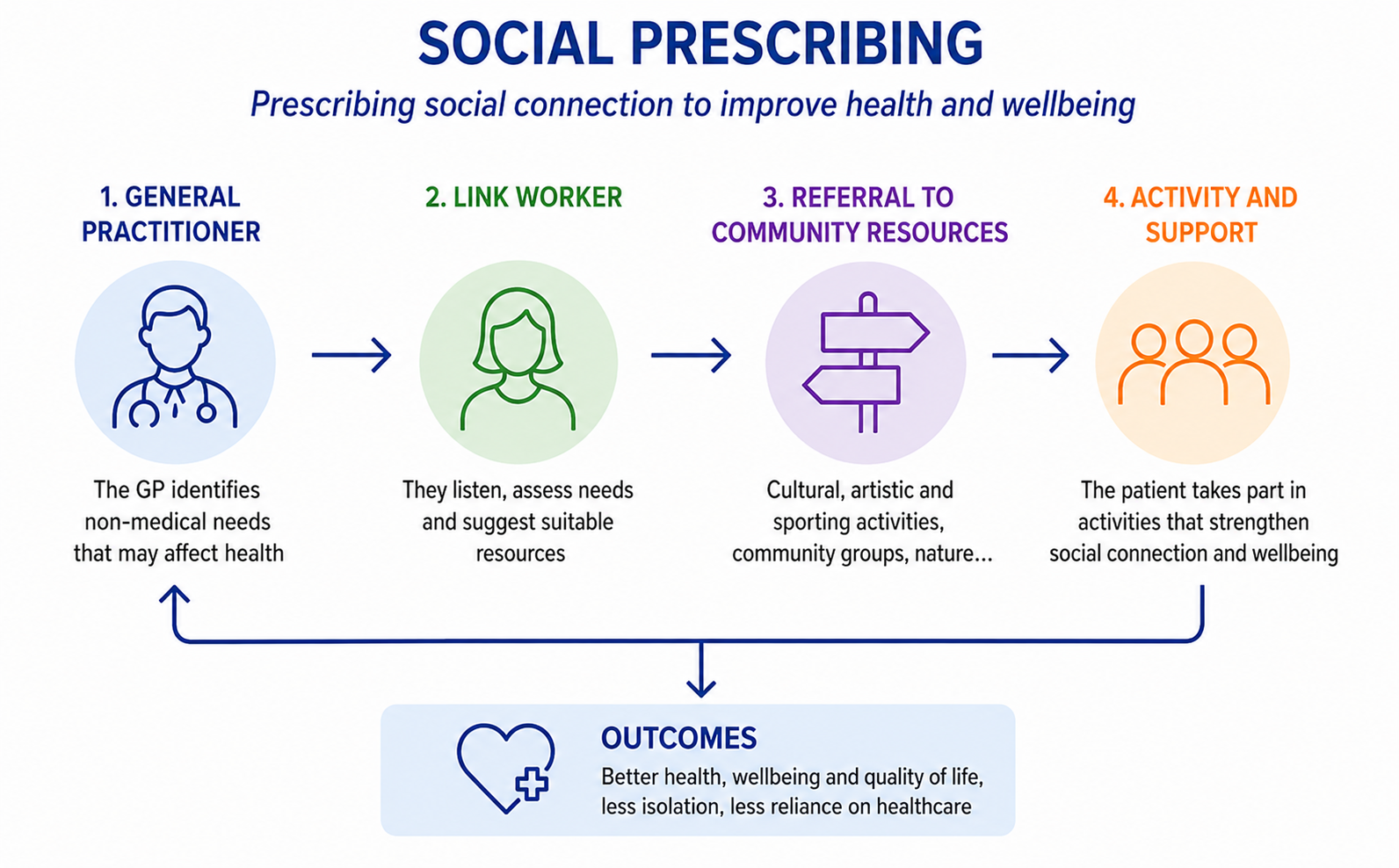
Whilst the United Kingdom is a pioneer in this field, France is seeing the emergence of a new generation of pilot schemes bringing together doctors, cultural stakeholders, local authorities and voluntary organisations. The ‘Culture and Health’ programmes, regional social prescription initiatives and the first schemes involving health mediators are gradually shaping a model of social prescription adapted to the characteristics of the French healthcare system [18].
5. Creating together for a better life: Artistic practices at the heart of communities
Artistic practices in healthcare now extend beyond the clinical framework of art therapy and are increasingly being incorporated into community-based initiatives. Shared artistic practices foster connections, strengthen a sense of belonging and build the resilience of both individuals and local communities. Several key areas of application can be highlighted:
- Group workshops: creative spaces that encourage self-expression, mutual aid and support.
- Choral singing: a practice recognised for its benefits for emotional well-being, social cohesion and respiratory health.
- Participatory theatre: a tool for self-expression, empowerment and collective reflection on social and health issues.
- Museums as resources for health: guided tours, cultural mediation and well-being programmes that promote cognitive stimulation, stress reduction and social participation.
- Artistic and therapeutic gardens: spaces combining creativity, nature and contemplation that support recovery, reconnection with the natural world and mental well-being.
Once largely confined to healthcare settings, therapeutic artistic practices have gradually expanded into many areas of daily life, prevention and support. They are now present in a wide range of settings:
- Neighbourhoods, where they help to empower residents and strengthen social ties;
- Care homes, to combat isolation, preserve cognitive abilities and maintain quality of life;
- Schools, to support emotional development, creativity and psychosocial skills;
- Prisons, where they encourage self-expression, the rebuilding of identity and reintegration.
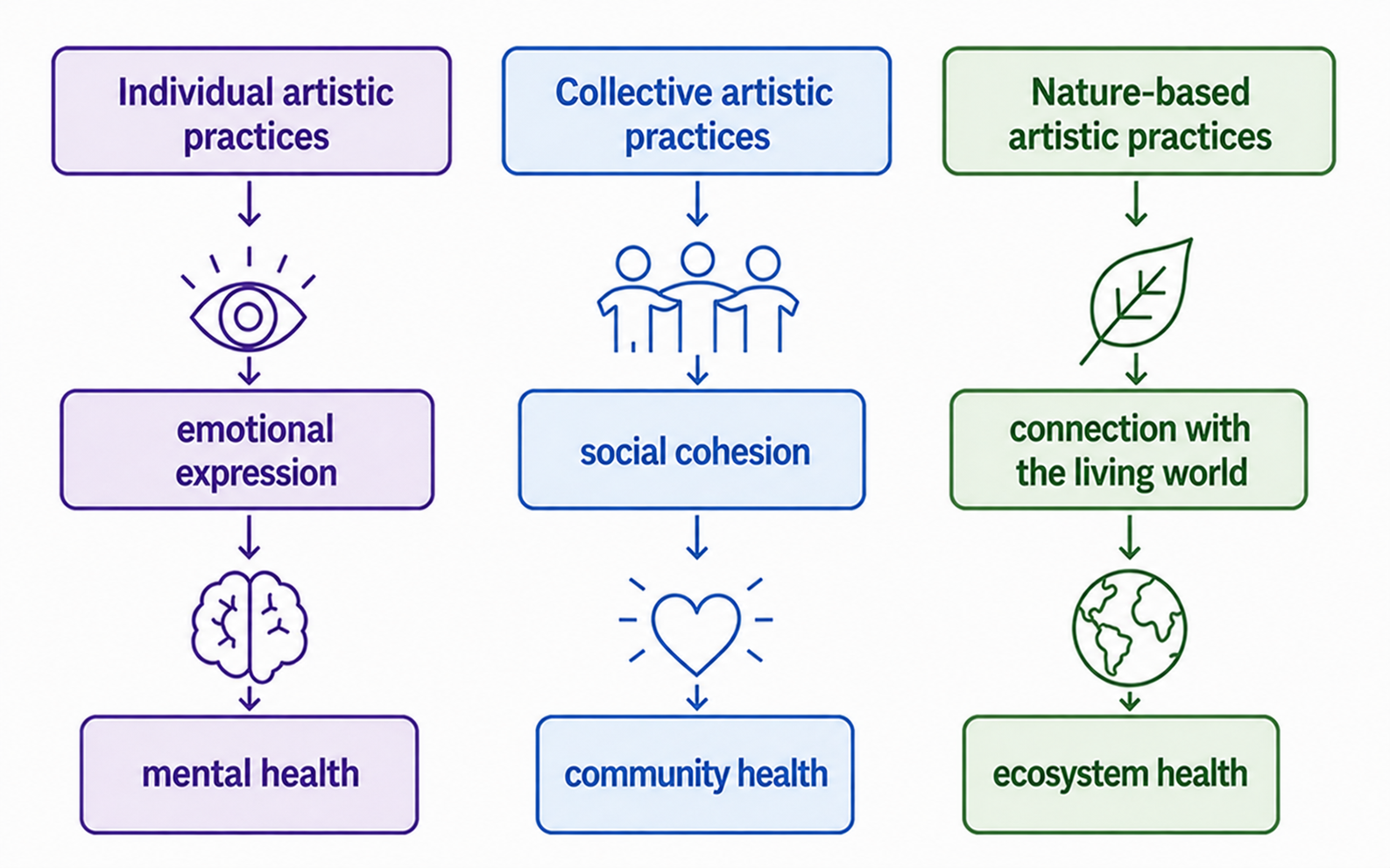
6. Artistic practices: a potential contribution to the ‘One Health’ approach
If artistic practices contribute to people’s health, can they also support the health of communities, places and ecosystems? This question opens up a new field of reflection: that of ‘One Health’ approaches and planetary health. The ‘One Health’ approach provides a framework for examining these interactions between human, animal and environmental health (Table 2).
Table 2. Examples of potential contributions of artistic practices to the dimensions of the ‘One Health’ approach.
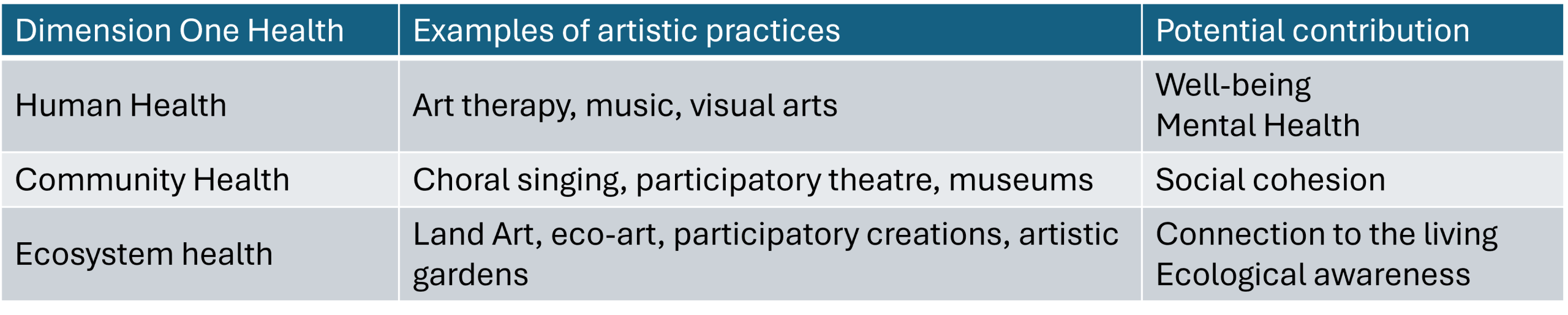 The WHO Regional Office for Europe report published in 2026 broadens the scope of the arts in health by examining their potential contribution to responses to the health effects of climate change. In particular, it highlights their role in risk communication, community resilience, changing perceptions and reconnecting with the natural world. Whilst not directly part of the ‘One Health’ approach, these guidelines can contribute to some of its social, cultural and environmental dimensions.
7. Artistic practices and planetary health
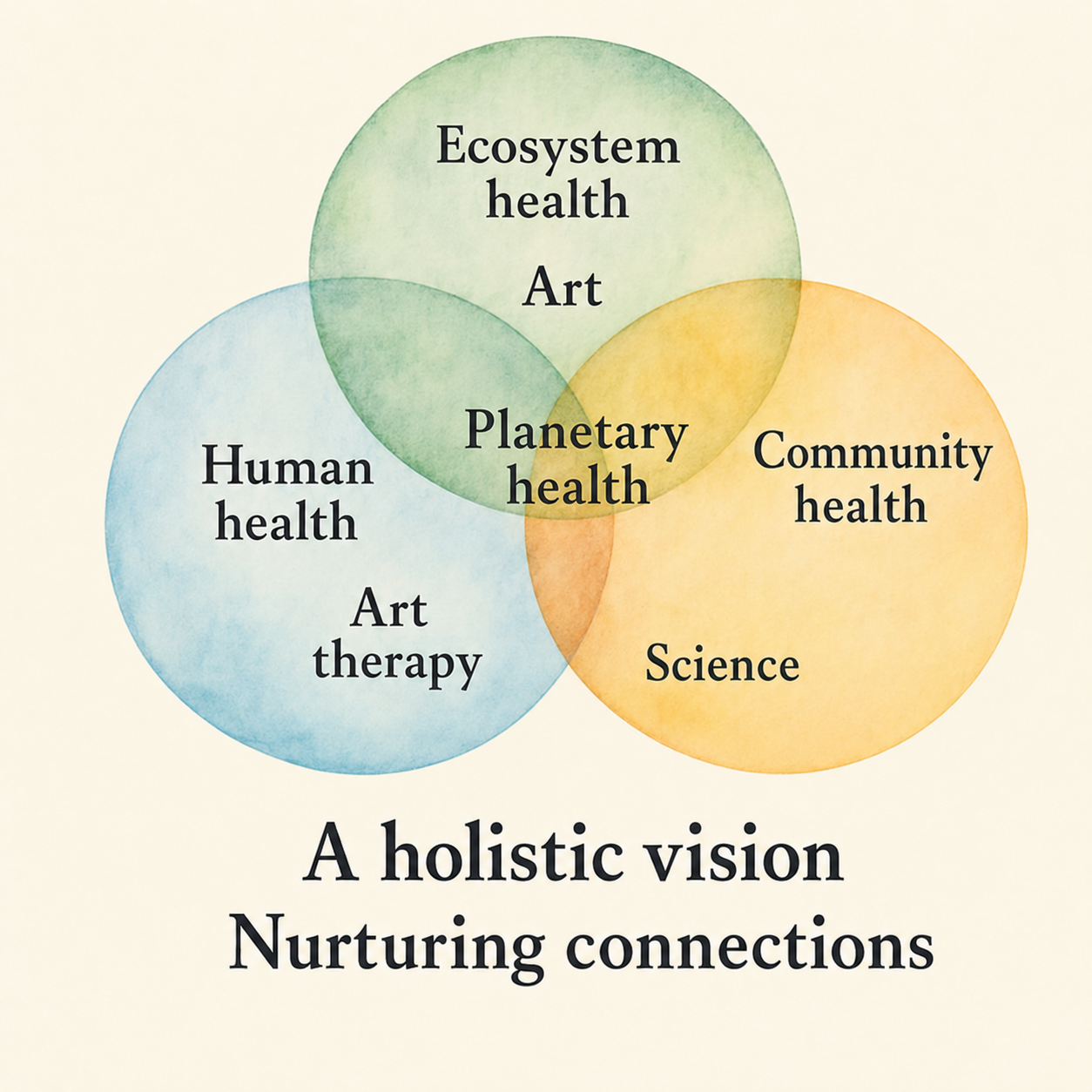
7.1 Art as a mediator between human health and the health of ecosystems
Land Art[20] provides a particularly clear illustration of this approach: by placing artistic creation at the heart of landscapes, it invites a direct experience of natural cycles and can foster a renewed awareness of our relationship with the living world
restore our connection with the living world. This vision also forms part of the legacy of Arte Povera (Italy, 1960s), which uses simple materials — earth, wood, stone, plants — to reveal the links between matter, living things and the environment. By placing natural processes above the finished object, this movement critiques industrial society and revives a sensory relationship with the living world.
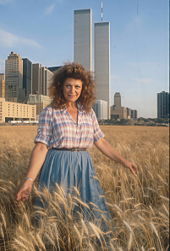
In this way, the arts can contribute to the health of the planet by raising awareness of ecological issues, strengthening our connection to the natural world and transforming knowledge into inspiring narratives. In doing so, they may foster civic engagement, pro-environmental behaviour and resilience in the face of climate change. [22]
7.2 Indigenous knowledge and planetary health
Long before the emergence of the concepts of ‘One Health’ and planetary health, many Indigenous cultures already viewed health as the result of a balance between people, communities and territories. Among the Aboriginal peoples of Australia, in particular, songs, stories and paintings pass on the memory of the relationships between humans, ancestors and the living world [23]. Art does not merely represent the land: it helps to maintain the social, cultural and spiritual bonds that give it meaning (see Focus ‘The origins of art therapy: from symbolic expression to healing’). Whilst not equating this knowledge with contemporary scientific frameworks, taking it into account can enrich our understanding of the interdependence between human health and the health of ecosystems. Erin Manning’s work on Aboriginal art and its relationship with the land particularly illuminates this relational conception [24].
8. Messages to remember
- In 2019, the WHO report provided important international recognition for a field of research that had previously been highly fragmented. It showed that artistic practices may contribute throughout the life course to disease prevention, health promotion, as well as treatment and rehabilitation.
- A growing body of research suggests that arts-based interventions can contribute to various dimensions of mental, physical and social health, with effects varying according to the practices involved, the populations studied and the methodological quality of the studies.
- The available evidence indicates that artistic practices can complement conventional care and contribute to health and well-being across a range of clinical and community settings.
- The scope of artistic practices is gradually expanding: from individual care to community health, and on to a consideration of the links between human health and the health of ecosystems.
- Artistic interventions are generally considered to have safety profile, when appropriately designed and supervised, and may generate health and social benefits and, in some contexts, contribute to environmental awareness and engagement.
- Further development will require better assessment of lived experiences, collective and economic impacts, and of the interplay between clinical practices, social prescribing and local policies, opening up new prospects for prevention and resilience in the face of ecological crises.
- The extension of art therapy and broader artistic practices towards ‘One Health’ and planetary health represents an emerging field that requires further conceptual clarification and empirical research.
Notes & references
Cover image. Cosmic Pattern [Source: Adapted from the author’s work © Isabelle Wachsmuth, reproduced with her permission]
.
[1] Adrian Hill (1945). Art Versus Illness. London: George Allen & Unwin.
[2] Margaret Naumburg (1950). Schizophrenic Art: Its Meaning in Psychotherapy. New York: Grune & Stratton
[3] Edith Kramer (1971). Art as Therapy with Children. New York: Schocken Books.
[4] Springer Nature. (n.d.). Arts therapies in psychiatric rehabilitation. https://link.springer.com/chapter/10.1007/978-3-030-76208-7_1
[5] Golden TL, et al. (2025). Integrating arts and culture into public health practice: A conceptual framework. Health Promotion Practice, 26(3), 454–462.
[6] Fancourt, D., & Finn, S. (2019). What is the evidence on the role of the arts in improving health and well-being? A scoping review. Health Evidence Network (HEN) synthesis report 67. Copenhagen: World Health Organisation, Regional Office for Europe. ISBN 9789289054553.
https://iris.who.int/bitstreams/e1cc8536-773d-446f-9822-8ae376f41415/download
[7] Jensen, A., Holt, N., Honda, S., & Bungay, H. (2024). The impact of arts on prescription on individual health and wellbeing: A systematic review with meta-analysis. Frontiers in Public Health, 12, 1412306.
[8] Daykin N et al. The role of social capital in participatory arts for wellbeing: findings from a qualitative systematic review. Arts Health. June 2021;13(2):134–157. doi: 10.1080/17533015.2020.1802605. Epub 18 August 2020. PMID: 32809907.
[9] Joschko, R., Klatte, C., Grabowska, W. A., et al. (2024). Active visual art therapy and health outcomes: A systematic review and meta-analysis. JAMA Network Open, 7(9), e2428709.
[10] Quinn, et al. (2025). Arts-based interventions for depression and anxiety in older adults: A meta-analysis of 50 controlled studies. Nature Mental Health, 3, 374–386.
[11] McCrary, J. M., Redding, E., & Altenmüller, E. (2021). Health benefits of performing arts: An umbrella review including 33 systematic reviews and 9 epidemiological studies. PLoS ONE, 16(6), e0252956.
[12] Gaiha, S. M., et al. (2021). Effectiveness of arts-based interventions in reducing mental health stigma among young people: A meta-analysis. BMC Psychiatry, 21, 364.
[13] Golden, T. L., et al. (2025). Integrating arts and culture into public health practice: A conceptual framework. Health Promotion Practice, 26(3), 454–462.
[14] The striatum is a brain structure that plays a key role in several functions: control of voluntary movements and motor learning; motivation and reward, via dopaminergic circuits; decision-making and reinforcement learning; and the processing of emotions, particularly in its ventral regions.
[15] Ferreri, L. et al (2019). Dopamine modulates the reward experiences elicited by music. Proceedings of the National Academy of Sciences (PNAS), 116(9), 3793–3798.
[16] Bone, J. K., Noguchi, T., Mak, H. W., Fancourt, D., Kondo, K., & Saito, T. (2024). Does participation in arts and cultural groups influence subsequent well-being? A longitudinal cross-country comparison of older adults in Japan and England. BMJ Public Health, 2, e000865. https://doi.org/10.1136/bmjph-2023-000865
[17] https://www.england.nhs.uk/long-read/social-prescribing-reference-guide-and-technical-annex-for-primary-care-networks/
[18] https://www.culture.gouv.fr/thematiques/developpement-culturel/le-developpement-culturel-en-france/culture-et-sante
[19] Kreutz G. (2025). Can we learn from the arts about health? A commentary on “Can arts-based interventions improve health? A conceptual and methodological critique” by Skov & Nadal. Physics of Life Reviews, DOI: 10.1016/j.plrev.2025.05.006
[20] Land Art (or Earth Art) is an artistic movement that emerged in the late 1960s in the United States, in which the landscape becomes the material, the setting and the subject of the artwork. Artists use natural elements (earth, stone, sand, wood, water, ice, vegetation) to create interventions that are directly integrated into the environment; these are often ephemeral and transformed by natural processes.
[21] Mel Chin’s *Revival Field* (1991), developed in collaboration with the agronomist Rufus L. Chaney, is regarded as a seminal work of eco-art. Situated on the contaminated site of Pig’s Eye Landfill (Minnesota), it uses hyperaccumulator plants (notably *Thlaspi caerulescens*) to extract heavy metals from the soil. This work is one of the earliest examples of the integration of artistic creation and scientific research.
[22] Whitmee S, Haines A, Beyrer C, et al. (2015) Safeguarding human health in the Anthropocene epoch: report of The Lancet Commission on Planetary Health. Lancet. 386:1973–2028.
[23] Carty J., Acker T. (eds.) (2012). Ngaanyatjarra: Art of the Lands. UWA Publishing.
[24] Erin Manning (2007). “Relationscapes: How Contemporary Aboriginal Art Moves Beyond the Map”. Cultural Studies Review, 13(2). Judy Watson, Judy Watson. The Language of Memory. Brisbane: University of Queensland Art Museum, 2014.
The Encyclopedia of the Environment by the Association des Encyclopédies de l'Environnement et de l'Énergie (www.a3e.fr), contractually linked to the University of Grenoble Alpes and Grenoble INP, and sponsored by the French Academy of Sciences.
To cite this article: WACHSMUTH Isabelle (September 17, 2026), Art therapy: artistic practices at the heart of planetary health, Encyclopedia of the Environment, Accessed October 7, 2026 [online ISSN 2555-0950] url : https://www.encyclopedie-environnement.org/en/health/art-therapy-artistic-practices-planetary-health/.
The articles in the Encyclopedia of the Environment are made available under the terms of the Creative Commons BY-NC-SA license, which authorizes reproduction subject to: citing the source, not making commercial use of them, sharing identical initial conditions, reproducing at each reuse or distribution the mention of this Creative Commons BY-NC-SA license.