



Does rising atmospheric CO₂ threaten the nutritional quality of crops?
PDF
The concentration of CO₂ in the atmosphere has increased by 30% over the past century. While this may appear beneficial at first, stimulating photosynthesis and increasing plant production, there is unfortunately a downside. The increase in atmospheric CO₂ levels has led to a simultaneous decrease in mineral concentrations in most cultivated plants, including wheat, rice and tomatoes. This has a particularly negative effect on protein quantities and essential microelement content, such as iron and zinc. The altered mineral composition of the plants we consume increases the risk of malnutrition, particularly in countries where plant products are the main source of protein and minerals.
- 1. Context of the increase in atmospheric CO₂
- 2. Determinants of the nutritional quality of cultivated plants
- 3. Elevated atmospheric CO₂ is beneficial for plant growth, but not for their mineral nutrition
- 4. Why does a high CO₂ level impair plant mineral nutrition?
- 5. Consequences for human health and agriculture
- 6. Messages to remember
1. Context of the increase in atmospheric CO₂
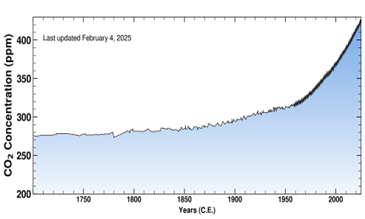
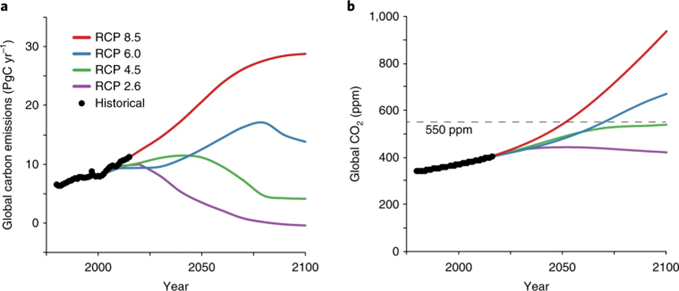
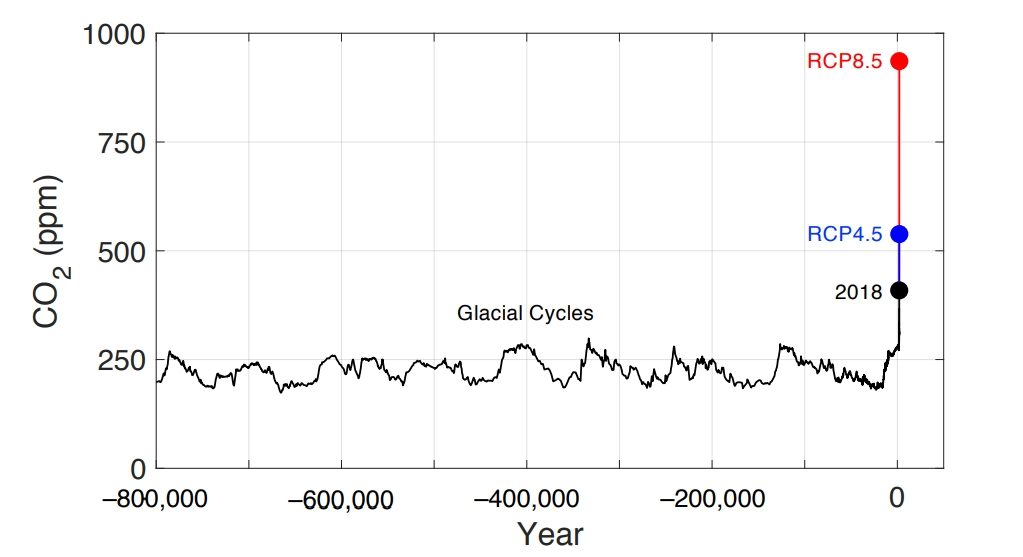
The concentration of CO₂ in the atmosphere remained stable for nearly a million years, fluctuating slightly around 250 ppm depending on glacial cycles [1]. Conversely, a gradual increase in atmospheric CO₂ concentration has been observed since the beginning of the 19th century (Figure 1). In 2024, the average annual value of CO₂ concentration in the atmosphere, measured at the Mauna Loa reference centre (Hawaii, USA), was 424.61 ppm.
2. Determinants of the nutritional quality of cultivated plants
2.1 Elements involved in the nutritional quality of plants for human health
Nutrients are chemical substances that the body needs to perform its basic functions. There are six main categories of nutrients that are essential to human health:
- Carbohydrates, lipids and proteins are considered macronutrients and serve as sources of energy.
- Water is needed in large quantities but does not provide energy.
- Vitamins and minerals are considered micronutrients and play an essential role in metabolism [3].
Plant foods contain almost all the mineral and organic nutrients established as essential for human nutrition. Humans need more than 22 mineral elements [4]. These are divided into major minerals (macro minerals) and trace elements (micro minerals):
- Major minerals include calcium (Ca), magnesium (Mg), potassium (K), sodium (Na), chloride (Cl), phosphorus (P) and sulphur (S).
- Trace elements are iodine (I), zinc (Zn), selenium (Se), iron (Fe), manganese (Mn), copper (Cu), cobalt (Co), molybdenum (Mo), fluoride (F), chromium (Cr) and boron (B) [5].
Minerals play an essential role in our bodies, particularly in building strong bones, transmitting nerve impulses and regulating our heart rate. Consequently, a deficiency in the intake of some of these elements can have serious consequences for human health (see Focus Minerals: good for our health and that of plants). This is particularly true for iron and zinc, two micronutrients that are essential for human nutrition and are obtained almost exclusively from plant consumption. It is estimated that, at present, nearly one-fifth of the world’s population suffers from zinc deficiency. The global increase in anaemia and immune weakness is directly linked to the decrease in zinc and iron content in crops such as wheat, rice and soya beans [6].
2.2 The importance of mineral nutrition for the nutritional quality of crops
While the nutrients present in plants are essential for human nutrition, the quality of plant production also depends on an adequate supply of nutrients.
Plants are autotrophic organisms and, to ensure their growth and development, they select and extract the elements they need from their surrounding environment:
- Carbon from atmospheric carbon dioxide (CO₂).
- Oxygen (O₂) from the air and soil.
- Water and minerals from the soil.
For optimal mineral nutrition, plants need at least 14 mineral elements:
- Six elements are needed in large quantities: nitrogen (N), phosphorus (P), potassium (K), calcium (Ca), magnesium (Mg) and sulphur (S).
- At least eight others are required in smaller quantities: chlorine (Cl), boron (B), iron (Fe), manganese (Mn), copper (Cu), zinc (Zn), nickel (Ni) and molybdenum (Mo) [7].
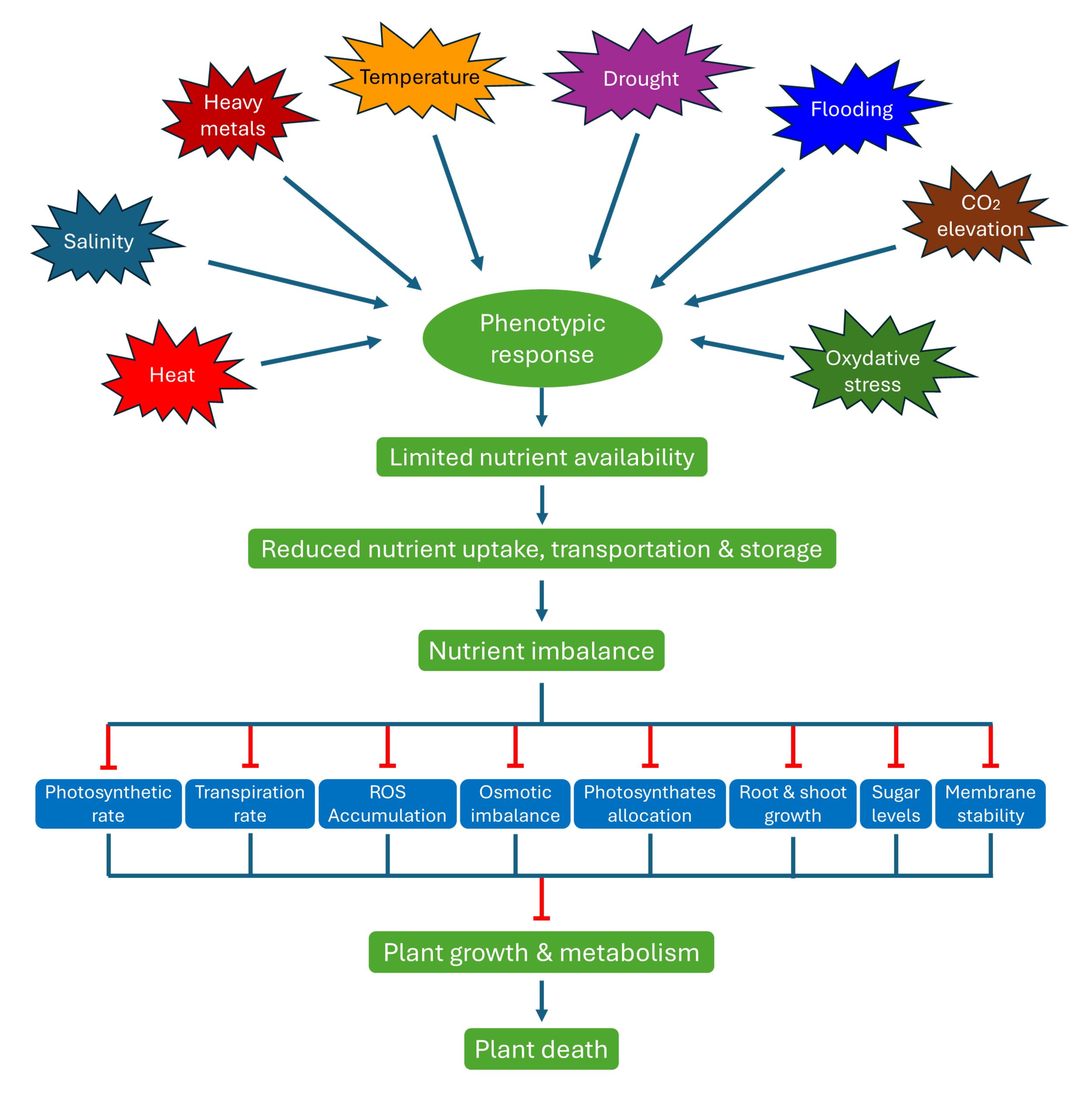
The mineral content of cultivated plants depends, of course, on their availability in the soil, but it is also greatly affected by environmental stresses:
- Plants exposed to high salinity may experience a decrease in potassium (K) transport (see How do plants tolerate a salty diet?).
- Rising temperatures and water stress drastically reduce the transport and assimilation of macronutrients such as nitrogen (N), phosphorus (P) and sulphur (S), which affects plant growth and yield.
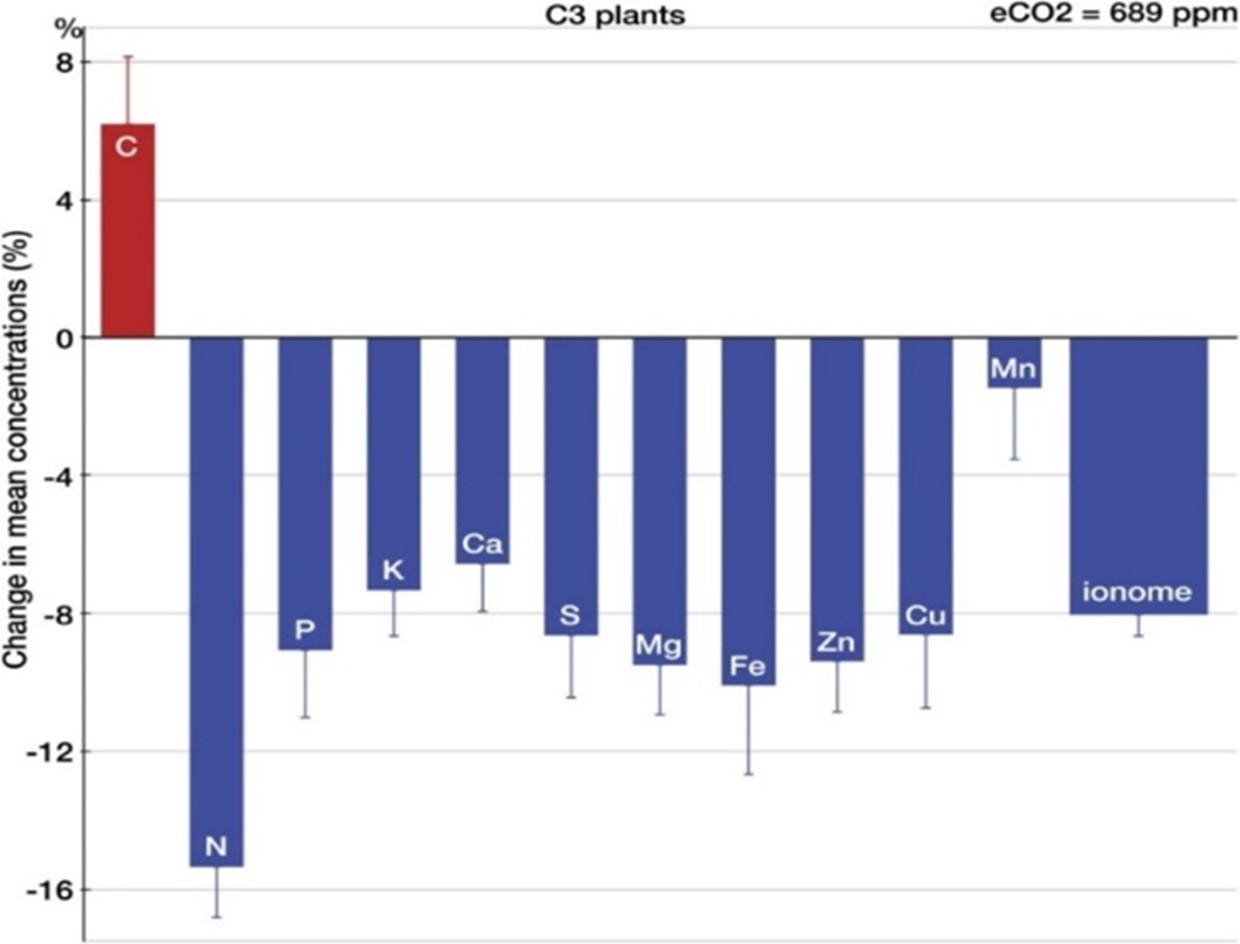
These considerations are particularly important in the context of climate change, especially since the increase in atmospheric CO₂ also appears to have a negative impact on the mineral content of most cultivated plants (Figure 4) [8].
3. Elevated atmospheric CO₂ is beneficial for plant growth, but not for their mineral nutrition
3.1 Photosynthesis and biomass production
The increase in atmospheric CO₂ concentration has a direct effect on plant physiology: through photosynthesis, plants are able to assimilate carbon from CO₂ in the air to produce sugars (see The path of carbon in photosynthesis), which they use in particular to synthesise other biomolecules that make up their biomass. Most plant species use C3 photosynthesis, where the first metabolic step in CO₂ assimilation is the production of a 3-carbon sugar, 3-phosphoglycerate, catalysed by the enzyme RUBISCO (ribulose 1,5-bisphosphate carboxylase/oxygenase).
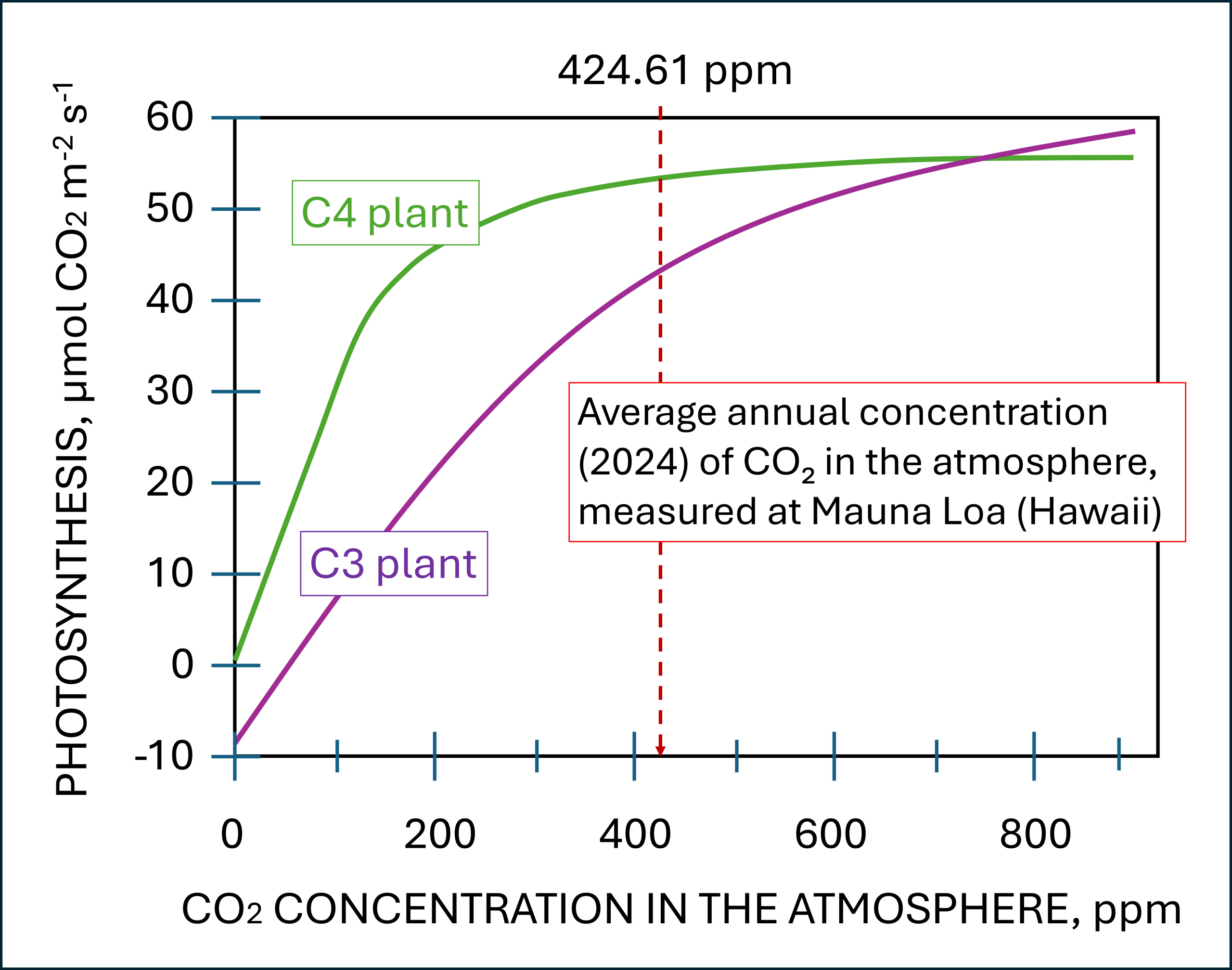
This effect is not observed in species (such as maize) that use C4 photosynthesis (see The path of carbon in photosynthesis), whose functioning is not limited by the current concentration of CO₂ (Figure 5).
The increase of CO₂ in the atmosphere should therefore cause a “CO₂ fertilisation” effect, leading to an increase in plant biomass and improved agricultural production. This hypothesis is supported by two types of data:
(1) the results obtained from experiments involving the artificial enrichment of the atmosphere with CO₂.
(2) long-term monitoring of terrestrial plant biomass.
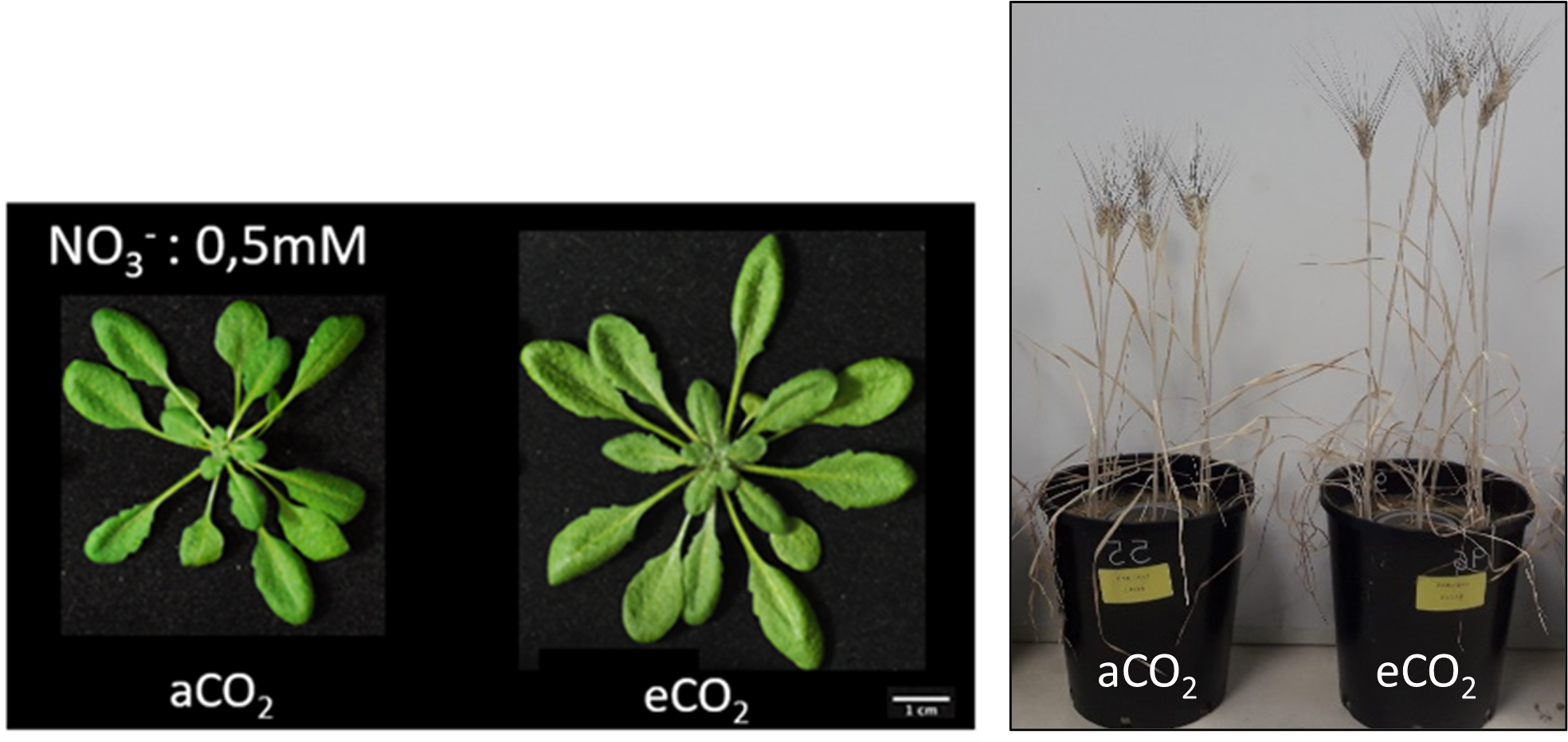
Numerous studies have been conducted to characterise the response of plants to CO₂ enrichment in the air, including experiments conducted outdoors and under natural conditions (FACE experiments for Free-Air CO₂ Enrichment; see Focus The FACE technique). These studies have confirmed that for C3 species, increased CO₂ levels stimulate photosynthesis and growth (Figure 6), with yield increases of around 15 to 20% for cultivated species [9].
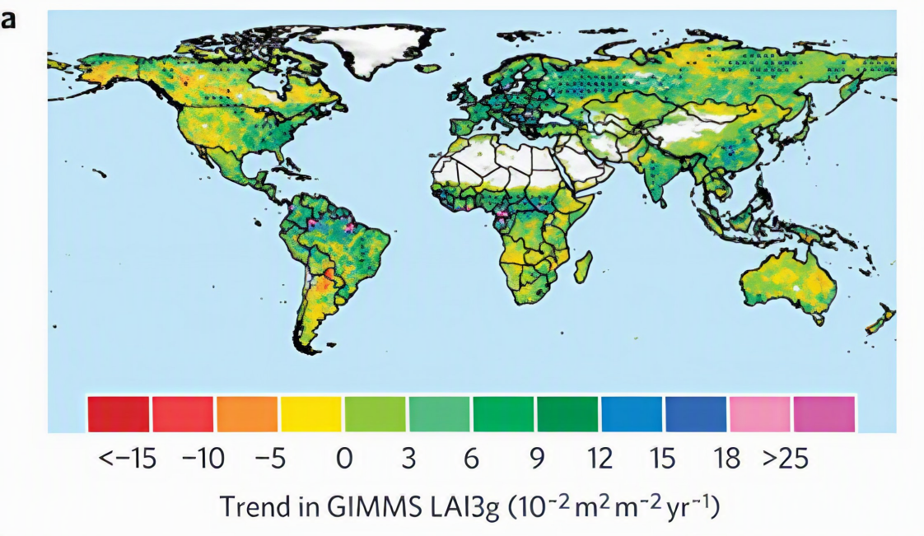
Long-term monitoring of terrestrial plant biomass relies on the use of satellite observation images. Data compiled since the late 1970s indicate that vegetation is becoming denser in many regions of the globe (Figure 7) [10], and that terrestrial plant biomass has increased significantly during this period in response to the past rise in atmospheric CO₂ concentration. This increased biomass constitutes a carbon sink that has mitigated the rise in atmospheric CO₂ by approximately 30%.
However, it is often observed that this effect diminishes over time as plants are exposed to high levels of CO₂. This is explained by the phenomenon known as photosynthetic acclimation, which corresponds to a feedback inhibition of the photosynthetic apparatus of C3 plants, with a decrease in the amount of RUBISCO of around 20% on average. As a result, the leaves gradually become less efficient at photosynthesis, and biomass production does not increase as much as expected.
3.2 Impact on mineral nutrition: the paradox
One of the main causes of photosynthetic acclimation to high CO₂ appears to be a deficiency in plant mineral nutrition [11]. Indeed, it is often sufficient to increase the supply of minerals, particularly nitrogen, for C3 plants to fully express the growth potential associated with the CO₂ fertilisation effect.
These observations suggest that plants grown in a CO₂-rich environment become less efficient at taking up or assimilating minerals from the soil:
- Often, the amounts of minerals absorbed by plants increase in response to rising CO₂ levels, but this increase is smaller than that of biomass, leading to a decrease in mineral content (expressed in terms of biomass used as a reference).
- Furthermore, the stimulation of mineral uptake is less significant than that of root growth, indicating reduced uptake efficiency (amount absorbed per unit of root biomass).
Surprisingly, this alteration in mineral absorption efficiency appears to be associated with the stimulation of photosynthesis induced by a high concentration of CO₂. Indeed, the decrease in mineral content is not observed in C4 plants, where photosynthesis is not increased.
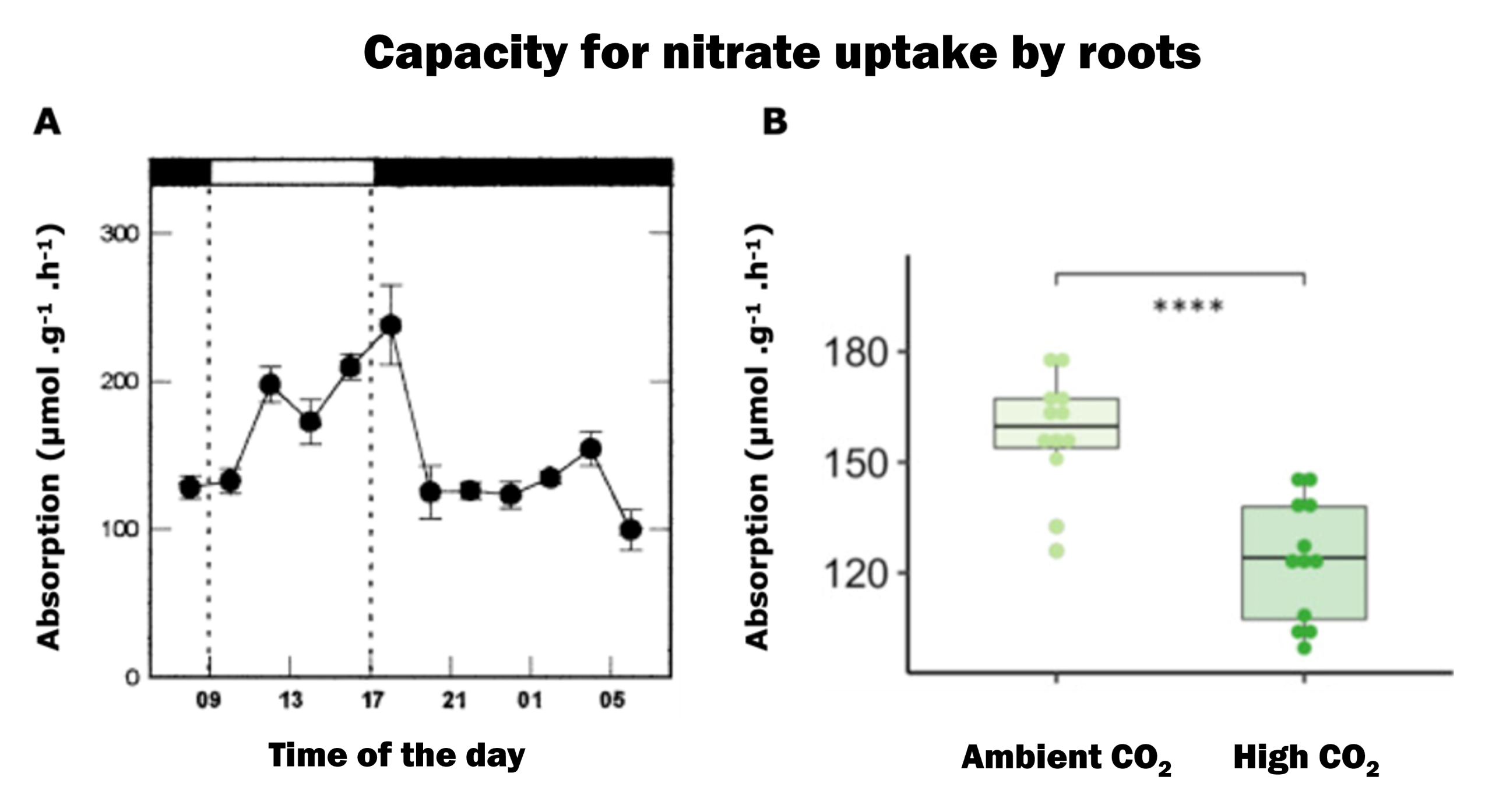
However, long-term stimulation (several weeks) of photosynthesis by high CO₂ levels causes the opposite effect, with a decrease in this efficiency (Figure 9B).
4. Why does a high CO₂ level impair plant mineral nutrition?
The causes of mineral depletion in plants grown in a CO₂-rich environment have not yet been clearly identified: none of the hypotheses put forward fully explain the phenomenon.
4.1 Immobilisation of minerals in underground microbial biomass
The first hypothesis is that the bioavailability of minerals in the soil could decrease due to their immobilisation in underground microbial biomass.
Indeed, the stimulation of photosynthesis leads to a significant transfer of organic carbon into the soil. This carbon provides the energy needed by microorganisms living in the soil, whose growth is stimulated in response to high CO₂ concentrations. Competition between plants and microorganisms for soil resources may therefore increase, thereby reducing the amount of minerals available to plants. However, this hypothesis alone cannot explain the mineral depletion in plants grown under high CO₂ levels, as it is also observed in plants grown hydroponically in liquid nutrient solutions and therefore in the presence of optimal mineral concentrations.
4.2 Dilution of minerals in biomass
In a second hypothesis, mineral depletion could be the result of dilution in biomass. We know that the mineral content in the aerial parts of plants does not remain constant but decreases as they grow. Because they compete for light, plants concentrate their mineral resources in the upper part of their foliage, which is well lit and where most photosynthesis takes place, to the detriment of the lower parts that are less exposed to sunlight. This inevitably leads to an overall decrease in the nitrogen content of the aerial parts as the plant grows taller. The growth stimulation induced by high CO₂ levels can amplify this effect by increasing the height of the aerial parts and thus the proportion of their biomass that is poor in minerals because it is not very active in photosynthesis. However, this explanation is contradicted by the fact that the decrease in mineral content in response to high CO₂ levels is observed even in the absence of increased growth.
4.3 Impact of stomatal closure
The increase in CO₂ concentration in the air causes the stomata in the leaves to close. Stomata are the pores through which plants transpire (see The tireless-quest for water by plants). The resulting decrease in transpiration reduces the flow of water from the soil to the aerial parts. This can have two effects on mineral nutrition:
- on the one hand, by reducing the convection of minerals in the soil to the roots.
- on the other hand, by slowing down their rise in the xylem sap towards the leaves.
These two effects may combine to limit the accumulation of minerals in the aerial parts. As with the other hypotheses, this one does not explain everything, in particular why the negative effect of high CO₂ concentrations on mineral content is not observed in C4 plants, even though CO₂ also reduces transpiration in these plants as it does in C3 plants.
4.4 A specific effect for nitrogen?
The nitrogen nutrition of plants seems to be more affected by high CO₂ concentrations than that of other minerals. Indeed, it is often nitrogen that shows the greatest decrease in content in response to high CO₂ (Figure 8). Another observation confirms that the physiology of nitrogen nutrition is a determining factor in this decrease. Curiously, legumes are among the plant species whose growth is most stimulated by high CO₂ concentrations and whose nitrogen content is least affected. This atypical response is most likely due to the unique ability of legumes to establish nitrogen-fixing symbioses (see Plants that live on air). This therefore indicates that high CO₂ levels have a particular impact on the nitrogen content of plants when they extract this element from the soil.
Several studies have highlighted a specific effect of high CO₂ concentrations on plants’ use of nitrate (NO₃⁻), which is the main source of nitrogen in the soil [11]. Both the root absorption of this ion and its assimilation into the metabolic pathways for amino acid synthesis are suppressed. The physiological causes of this negative effect are still unclear, but they could be associated with a change in the redox status of plants in response to high CO₂ levels (see next paragraph).
4.5 Role of redox status and the oxidative pentose phosphate pathway (OPPP)
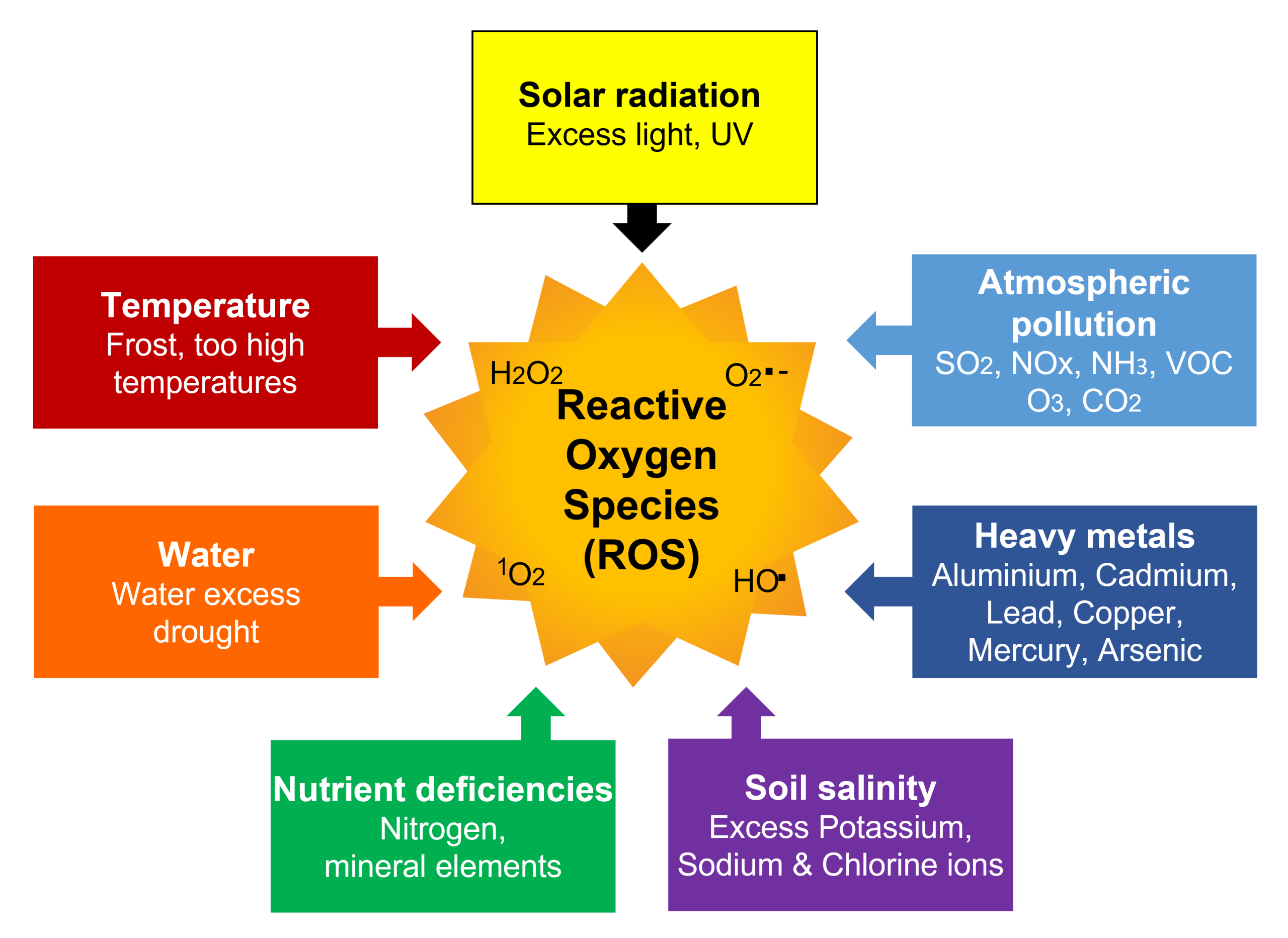
Increased CO₂ affects many key enzymes involved in the redox status of plants, such as catalases, peroxidases and oxidases. This could have an impact on the accumulation of reactive oxygen species (ROS) in plants and lead to changes in the expression of genes involved in mineral transport. Reactive oxygen species are oxygenated chemical species such as free radicals, oxygen ions and peroxides, which become highly chemically reactive due to the presence of unpaired valence electrons. Examples include the superoxide anion O₂⁻, singlet oxygen O₂., hydrogen peroxide H₂O₂ and ozone O₃. Reactive oxygen species are formed in cells in response to many environmental factors (Figure 10) and have long been considered solely toxic and involved in cell death (see Environmental constraints and oxidative stress in plants).
5. Consequences for human health and agriculture
5.1 Impact on food security and risks to public health
Given the negative effect of high CO₂ levels on the mineral content of plants, several studies have examined the potential impact of this phenomenon on food security. The consumption of products derived from cultivated plants (cereals in particular) is essential for the intake of protein and minerals, and in some regions of the world represents a very large proportion of the diet [16].
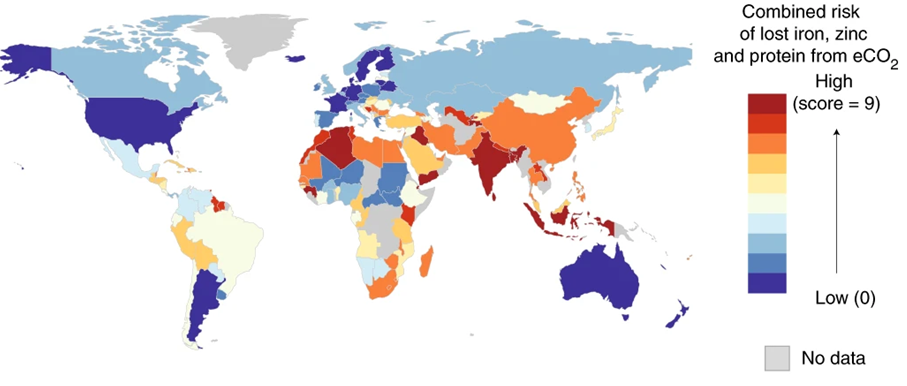
Several studies have therefore used nutritional composition data from plants grown in fields under an artificially CO₂ enriched atmosphere (an experimental approach called FACE for Free Air CO₂ Enrichment – see focus The FACE technique) and integrated this data with data on the consumption of plant products around the world. These analyses show that in regions of the world where nutrient intake is mainly sustained by plant-based foods, the increase in atmospheric CO₂ will lead to an increased risk of nutritional deficiencies, particularly those associated with protein, essential micronutrients such as iron and zinc, and certain vitamins [2],[10].
In terms of numbers, this could represent several hundred million people affected, mainly located in regions already facing high food insecurity (Figure 11).
These major effects of rising CO₂ levels on food security must be viewed in the context of global change. Numerous predictions show that global change, including changes in CO₂ levels, temperature, drought and extreme weather events, will have a negative impact on crop production [17].
5.2 Potential solutions for agriculture
There are solutions available to agriculture to mitigate this negative effect of increased atmospheric CO₂ on the mineral content of plants. On the one hand, it has been shown that greater nutrient availability can reduce the negative impact of high CO₂ concentrations on mineral nutrition [18]. Increased use of fertilisers in agriculture could therefore partially offset this negative effect, but this solution would have very harmful consequences for the environment and for producers’ profitability. It is therefore clearly neither desirable nor credible in a context where agriculture must become more sustainable, more environmentally friendly and more resource efficient.
Conversely, several factors suggest that it is possible to develop or select plant varieties that are resilient to increased atmospheric CO₂ or even benefit from it. Firstly, advances in our understanding of the mechanisms associated with plant response to high CO₂ levels now make it possible to consider their use in plant breeding. Indeed, several key physiological mechanisms targeted by high CO₂ have recently been studied, and modifying the genes associated with these mechanisms can reduce or reverse the negative effect of CO₂ on mineral nutrition [19]. Secondly, several studies have demonstrated the potential of natural genetic diversity in response to elevated atmospheric CO2. A wide range of responses to high CO2 levels has been observed in panels representative of the genetic diversity of several plant species. Identifying the genes associated with this diversity of response could improve mineral content under high CO2 conditions [19].
These studies, carried out under controlled laboratory conditions, are still far from being integrated into varietal selection schemes. The relatively long time required to develop innovative lines means that efforts must be made now to integrate climate change, and particularly the increase in atmospheric CO₂ levels, into current selection schemes.
6. Messages to remember
- The increase in atmospheric CO₂ levels leads to a decrease in the overall mineral content of plants, which increases the risk of malnutrition and affects human health. This could affect several hundred million people, mainly in regions already affected by high food insecurity.
- The decrease in mineral content appears to be associated with the stimulation of photosynthesis induced by high CO₂ concentrations, which is a profound paradox because it was previously established that photosynthesis had a positive effect on mineral absorption.
- The mechanisms behind this phenomenon remain to be discovered, but the accumulation of reactive oxygen species (ROS) in response to increased atmospheric CO₂ could explain all or part of the decrease in mineral uptake by plants.
- Reintroducing genetic diversity into cultivated species is essential to obtain plants that are less sensitive to climate change and to the increase in atmospheric CO₂.
Notes & references
Cover image. [Photo © Roger Meireles, under CC0 License, via pxhere]
[1] Lüthi, D., Le Floch, M., Bereiter, B. et al. (2008) High-resolution carbon dioxide concentration records 650,000–800,000 years before present. Nature 453, 379–382. https://doi.org/10.1038/nature06949
[2] Smith, M.R. & Myers, S.S. (2018) Impact of anthropogenic CO2 emissions on global human nutrition. Nature Clim Change 8, 834–839. https://doi.org/10.1038/s41558-018-0253-3
[3] Morris AL & Mohiuddin SS. (2023) Biochemistry, Nutrients. [Updated 2023 May 1]. In: StatPearls [Internet]. Treasure Island (FL): StatPearls Publishing; 2025. Available from: https://www.ncbi.nlm.nih.gov/books/NBK554545/
[4] Huang S, Wang P, Yamaji N & Ma JF. (2020) Plant Nutrition for Human Nutrition: Hints from Rice Research and Future Perspectives. Mol Plant. 13(6):825-835. doi: 10.1016/j.molp.2020.05.007
[5] Grusak MA & DellaPenna D. (1999) Improving the nutrient composition of plants to enhance human nutrition and health. Annu Rev Plant Physiol Plant Mol Biol. 50:133-161. doi: 10.1146/annurev.arplant.50.1.133.
[6] Chumley, H. & Hewlings, S. (2020). The effects of elevated atmospheric carbon dioxide [CO2] on micronutrient concentration, specifically iron (Fe) and zinc (Zn) in rice; a systematic review. Journal of Plant Nutrition, 43(10), 1571–1578. https://doi.org/10.1080/01904167.2020.1739303
[7] A. Patani, D. Prajapati, K. Shukla, M. Patel, P. Patani, A. Patel, et al. (2024) In: Essential Minerals in Plant-Soil Systems, edit-ed by A. Husen, Elsevier. https://doi.org/10.1016/B978-0-443-16082-0.00003-5
[8] Khan MIR, Nazir F, Maheshwari C, Chopra P, Chhillar H & Sreenivasulu N. (2023) Mineral nutrients in plants under changing environments: A road to future food and nutrition security. Plant Genome. Dec;16(4):e20362. doi: 10.1002/tpg2.20362.
[9] Ainsworth EA & Long SP. (2023) 30 years of free-air carbon dioxide enrichment (FACE): What have we learned about future crop productivity and its potential for adaptation? Glob Chang Biol. 27(1):27-49. doi: 10.1111/gcb.15375. Epub 2020 Nov 2. PMID: 33135850.
[10] Zhu, Z., Piao, S., Myneni, R. et al. (2016) Greening of the Earth and its drivers. Nature Clim Change 6, 791–795. https://doi.org/10.1038/nclimate3004
[11] Gojon A., Cassan O., Bach L., Lejat L. & Martin A. (2023) The decline of plant mineral nutrition under rising CO2: Physiological and molecular aspects of a bad deal. Trends in Plant Science 28: 185-198. Doi: 10.1016/j.tplants.2022.09.002
[12] Loladze I. (2014) Hidden shift of the ionome of plants exposed to elevated CO2 depletes minerals at the base of human nutrition. eLife 3: e02245. Doi: 10.7554/eLife.02245
[13] Bellegarde F, Maghiaoui A, Boucherez J, Krouk G, Lejay L, Bach L, Gojon A & Martin A. (2019) The Chromatin Factor HNI9 and ELONGATED HYPOCOTYL5 Maintain ROS Homeostasis under High Nitrogen Provision. Plant Physiol. May;180(1):582-592. doi: 10.1104/pp.18.01473.
[14] Lejay L, Wirth J, Pervent M, Cross JM, Tillard P & Gojon A. (2008) Oxidative pentose phosphate pathway-dependent sugar sensing as a mechanism for regulation of root ion transporters by photosynthesis. Plant Physiol. Apr;146(4):2036-53. doi: 10.1104/pp.107.114710
[15] Shin R., Schachtman D.P. (2004). Hydrogen peroxide mediates plant root cell response to nutrient deprivation. Proceedings of the National Academy of Sciences of the USA, 101(23), 8827–8832. https://doi.org/10.1073/pnas.0401707101
[16] Smith MR, Micha R, Golden CD, Mozaffarian D & Myers SS (2016) Global Expanded Nutrient Supply (GENuS) Model: A New Method for Estimating the Global Dietary Supply of Nutrients. PLOS ONE 11(1): e0146976. https://doi.org/10.1371/journal.pone.0146976 ; Ritchie H, Rosado P, & Roser M (2023) – “Diet Compositions” Published online at OurWorldinData.org. Retrieved from: ‘https://ourworldindata.org/diet-compositions’.
[17] David. S. Battisti, Rosamond & L. Naylor. (2009) Historical Warnings of Future Food Insecurity with Unprecedented Seasonal Heat.Science 323, 240-244. DOI:10.1126/science.1164363 – W. Schlenker, & M.J. Roberts (2009) Nonlinear temperature effects indicate severe damages to U.S. crop yields under climate change, Proc. Natl. Acad. Sci. U.S.A. 106 (37) 15594-15598, https://doi.org/10.1073/pnas.0906865106 ; Lobell DB et al., (2008) Prioritizing Climate Change Adaptation Needs for Food Security in 2030.Science 319,607-610. DOI:10.1126/science.1152339
[18] Gojon A., Cassan O., Bach L., Lejay L. & Martin A. (2023) The decline of plant mineral nutrition under rising CO2: Physiological and molecular aspects of a bad deal. Trends in Plant Science 28: 185-198. Doi: 10.1016/j.tplants.2022.09.002 ; Tausz-Posch, S., M. Tausz, & M. Bourgault (2020) Elevated [CO2 ] effects on crops: Advances in understanding acclimation, nitrogen dynamics and interactions with drought and other organisms. Plant Biol (Stuttg). 22 Suppl 1: p. 38-51 DOI: 10.1111/plb.12994
[19] Cassan O., Pimpare LL., Mozzanino T., Fizames C., Devidal S., Roux F., Milcu A., Lebre S., Gojon A & Martin A. (2024) Natural genetic variation underlying the negative effect of elevated CO2 on ionize composition in Arabidopsis thaliana. Elife 12: RP90170. Doi: 10.7554/eLife.90170
The Encyclopedia of the Environment by the Association des Encyclopédies de l'Environnement et de l'Énergie (www.a3e.fr), contractually linked to the University of Grenoble Alpes and Grenoble INP, and sponsored by the French Academy of Sciences.
To cite this article: LEJAY Laurence, MARTIN Antoine, GOJON Alain (September 16, 2026), Does rising atmospheric CO₂ threaten the nutritional quality of crops?, Encyclopedia of the Environment, Accessed September 24, 2026 [online ISSN 2555-0950] url : https://www.encyclopedie-environnement.org/en/life/rising-atmospheric-co%e2%82%82-threaten-nutritional-quality-crops/.
The articles in the Encyclopedia of the Environment are made available under the terms of the Creative Commons BY-NC-SA license, which authorizes reproduction subject to: citing the source, not making commercial use of them, sharing identical initial conditions, reproducing at each reuse or distribution the mention of this Creative Commons BY-NC-SA license.